
Most people think health tech at home means a bathroom scale, a dusty thermometer, and maybe an old blood pressure cuff shoved in a drawer. That’s a mistake. The equipment your doctor never told you about (that could change daily life at home) is already on the market and in many cases, its not just nice-to-have; its the difference between reacting to a crisis and quietly preventing it.
In home care visits, Ive watched people juggle pill bottles with shaky hands, guess at their blood sugar based on how they feel, and wake up every two hours to check if a loved one is breathing comfortably. Then Ive watched what happens when you bring in the right smart devices: fewer hospitalizations, fewer panicked calls to 911, and a lot more calm. The truth is blunt: if you or someone you care for has ongoing health issues and your home setup still looks like it did in 1998, you’re leaving safety, independence, and peace of mind on the table.
Below are 10 smart health tech devices you probably haven’t heard enough about but you should. Not as toys, not as wellness accessories, but as practical tools that can stand alongside more traditional durable medical equipment and change how you live day to day.
Home Health Gear
You’ll learn which overlooked home medical devices can automate care, spot problems early, and give shareable data that change daily life. – The equipment your doctor never told you about smart pill dispensers, connected thermometers, smart scales, and blood pressure/glucose/pulse-ox monitors automates meds and continuously tracks vitals to catch issues sooner. – Other overlooked devices smart stethoscopes, sleep monitors, TENS units, and air-quality sensors improve diagnosis, pain control, sleep quality, and indoor health so daily life feels safer and simpler. – Most devices sync with apps and clinicians, providing sharable data for remote monitoring and fewer clinic visits a practical benefit doctors often don’t emphasize.
1. Smart Pill Dispenser
Smart pill dispensers are, hands down, one of the most underrated health devices in existence. We pretend medication adherence is about willpower or being responsible, but in real homes, its usually about chaos: too many pills, confusing schedules, and cognitive overload. Ive seen caregivers build color-coded charts, put sticky notes everywhere, and still miss doses. A smart pill dispenser quietly solves most of that.
These devices typically sort medications into time-based compartments, lock them to prevent double-dosing, and send alerts when its time to take a dose. Many models will sound an alarm, flash lights, and ping a smartphone app all at once. In one family I worked with, a daughter in Jacksonville was getting daily anxiety spikes wondering if her mom with early dementia took her heart meds. After they installed a Wi-Fi enabled dispenser, she could see in the app whether the dose was taken no guessing, no daily arguments. According to research published in JMIR mHealth and uHealth, technology-supported adherence tools can increase medication adherence by up to 1720% in chronic disease patients, which in real terms often means fewer emergency room visits.
What makes smart dispensers especially powerful is their ability to integrate with the rest of the home care ecosystem. Some can export adherence data directly to care teams or case managers particularly important for people using state programs like the Florida Developmental Disability Waiver, where adherence often determines whether a person can safely remain at home. Others can be grouped with more traditional home supports like hospital beds and positioning equipment so the entire care plan is coordinated instead of piecemeal.
Insider Tip From a Care Manager: If medication errors are causing repeated hospitalizations, I look at three upgrades in this order: smart pill dispenser, locked storage, then simplifying the med list with the doctor. The dispenser alone often cuts the chaos in half.
2. Smart Thermometer
Old-school glass thermometers had one job: give you a number. Smart thermometers are quietly turning that single data point into a pattern you can actually act on. This is the equipment your doctor never told you about (that could change daily life at home) because in the exam room, they see just one reading at home, you see the whole movie.
Smart thermometers log every reading into an app, show trends over hours or days, and can flag when fevers follow concerning patterns (like spiking at night or not responding to medication). Ive watched this be a game-changer for parents of kids with seizure disorders or for immuno compromised adults after surgery. One mother in Tampa tracked her sons nightly low-grade fevers for a week; the app clearly graphed a rising baseline. She took that chart to urgent care, where a provider took it seriously enough to order further tests catching an early infection before it became a hospitalization.
These devices also shine for people managing chronic conditions at home. For example, in patients using Medicaid-funded home medical equipment in Florida, infection risk is often higher due to catheters, feeding tubes, or pressure injuries. Consistent temp tracking lets caregivers spot that somethings off without waiting for confusion, chills, or falls to appear. According to data from the CDC, early infection recognition can drastically reduce complications in high-risk patients and a smart thermometer is one of the least invasive tools to support that.
Insider Tip From a Pediatric Nurse: Use the same thermometer, in the same way, at roughly the same time each day even when your child is well. The normal baseline data is what makes the device powerful when something is actually wrong.
3. Smart Scale
Most bathroom scales are brutal: step on, get a number, feel bad, move on. Smart scales, when used correctly, are less about chasing a perfect weight and more about tracking fluid changes and long-term trends that actually matter in medical decision-making. In heart failure, for instance, a two- to three-pound weight gain overnight can signal dangerous fluid retention. That’s not a diet problem; thats a call your cardiologist now problem.
Modern smart scales can track weight, body composition estimates, and sometimes even pulse wave velocity. More important than the bells and whistles, though, is the ability to view graphs over weeks and send alerts when thresholds are crossed. According to a study in Circulation: Heart Failure, home tele-monitoring of weight and symptoms in heart failure patients can reduce hospitalizations by up to 30% when clinicians actually receive and act on the data. Ive seen this firsthand with an older gentleman who lived alone and had a long history of fluid overload. When his scale connected to his cardiology clinic, they adjusted his diuretics based on subtle weight creep no ER admission, no ICU stay.
This kind of device fits naturally alongside more visible equipment like hospital beds and recliners for edema management. The bed helps reposition and elevate legs; the scale tells you whether the strategies are working or failing. People often think of durable medical equipment as big items like wheelchairs and bathroom safety gear, but a smart scale, quietly feeding objective data into that picture, is just as important.
Insider Tip From a Cardiologist: I tell my heart failure patients: your scale is as important as your medications. If your weight jumps 23 pounds in 24 hours or 5 pounds in a week, call us. Don”t wait to get short of breath.
4. Smart Blood Pressure Monitor
The single blood pressure reading you get at the doctors office is borderline useless if you’re trying to understand your actual risk. White-coat hypertension, masked hypertension, fluctuating pressures none of that shows up in one rushed measurement while you’re anxious and half-dressed. Smart blood pressure monitors finally bring real-life data into the conversation.
These devices connect to an app and log every reading with time and date, often adding helpful flags when readings are taken incorrectly (like talking or crossing your legs). Over weeks, you end up with hundreds of data points instead of a vague impression. According to guidelines from the American Heart Association, home blood pressure monitoring is one of the most accurate ways to assess treatment effectiveness and diagnose hypertension accurately. In my own experience, Ive seen people labeled uncontrolled in clinic but relatively stable at home so the focus shifted from more meds to stress and pain triggers that were elevating in-office readings.
Smart monitors are particularly valuable for people juggling multiple conditions diabetes, kidney disease, heart disease where blood pressure control is non-negotiable. When combined with other supports like bathroom safety modifications for seniors, you’re not just preventing falls; you’re reducing the silent damage hypertension causes in the background. Some newer models can even send automatic reports to clinicians or integrate with tele-health visits, letting a nurse in Tampa or Jacksonville see weeks of data from a single dashboard instead of asking, So, how have your numbers been?
Insider Tip From a Hypertension Specialist: Take two readings each time, one minute apart, twice daily for a week before your appointment. Bring the log or better yet, the app data. I adjust medications based on those numbers, not the one I get in the office.
5. Smart Glucose Monitor
If you still picture diabetes management as finger sticks and a paper logbook, you’re about a decade behind. Smart glucose monitors especially continuous glucose monitors (CGMs)have completely reshaped what good control can look like. They don’t just tell you where your blood sugar is; they tell you where its heading and how fast.
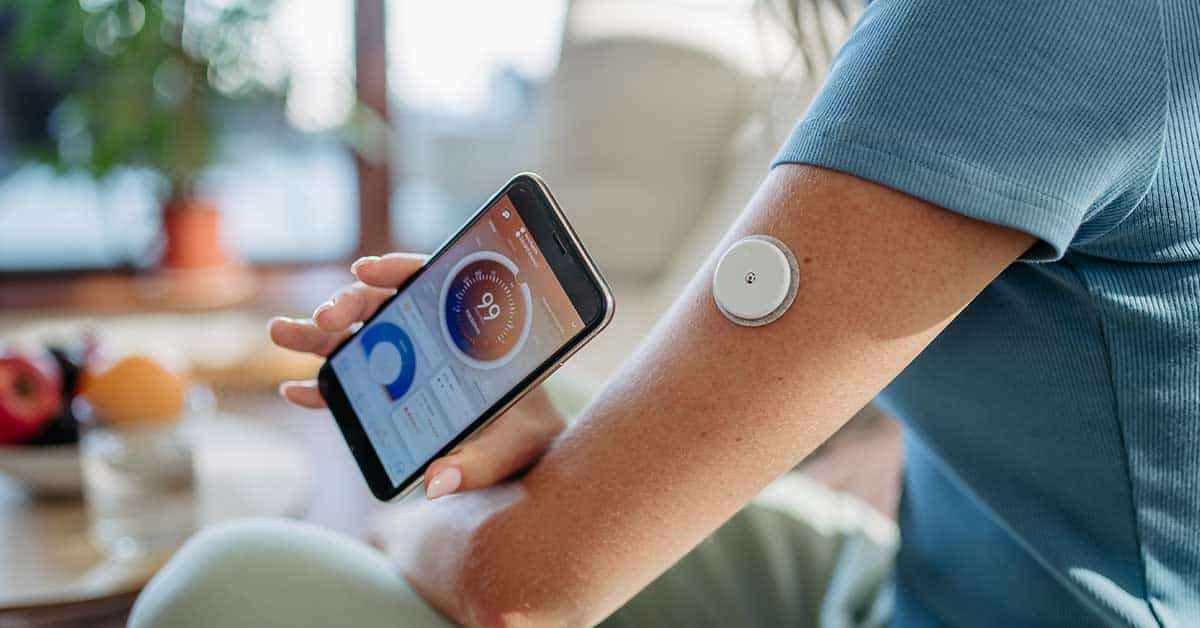
CGMs use a small sensor under the skin that sends glucose readings every few minutes to a receiver or smartphone. The magic is in the graphs and real-time alerts. According to a major study in Diabetes Care, CGM use in type 1 diabetes reduced time in hypoglycemia and improved overall HbA1c compared with traditional fingerstick monitoring. That doesn’t mean only type 1 patients benefit. Ive seen type 2 patients especially those on insulin or sulfonylureas completely change their habits after watching how a healthy bowl of cereal sent their numbers sky-high while a different breakfast kept them stable.
This is where the equipment your doctor never told you about (that could change daily life at home) becomes bluntly obvious. When you can see on your phone that a simple walk after dinner flattens a glucose spike, lifestyle advice stops being abstract. For families managing developmental disabilities along with diabetes, like those supported through the Florida Developmental Disability Waiver, CGMs can empower caregivers to prevent extreme highs and lows without constant guesswork or intrusive checks.
Insider Tip From a Diabetes Educator: Don’t just stare at your glucose number focus on trends. Are you rising fast? Stable? Dropping? That’s where the power of smart monitoring really lies.
6. Smart Pulse Oximeter
Most people discovered pulse oximeters during COVID and then forgot about them. That’s unfortunate, because smart pulse oximeters are one of the simplest, most powerful tools for monitoring respiratory health at home. While the basic finger clip tells you your oxygen saturation and pulse, smart versions log those readings and sometimes even track overnight trends, which is where the real value hides.
Chronic lung conditions like COPD, pulmonary fibrosis, or post-COVID lung damage don’t always announce themselves with dramatic shortness of breath. Ive seen patients who felt fine but were quietly sitting at 8890% saturation during activity numbers that, over time, strain the heart and brain. According to research published in the Annals of the American Thoracic Society, remote monitoring of oxygen levels can reduce read missions for high-risk respiratory patients when clinicians respond quickly to dropping trends. In that context, a smart oximeter becomes as important as a walker or rollator in keeping someone out of the hospital.
For caregivers managing multiple pieces of equipment oxygen tanks, nebulizers, other durable medical equipment, and consumable medical supplies having oxygen data in an app helps individuals prioritize whats actually needed. If a loved one seems more confused or fatigued, a quick saturation check can differentiate just tired from needs urgent evaluation.
Insider Tip From a Respiratory Therapist: Don’t panic over a single low reading look at patterns. But if your usual 9596% suddenly becomes 9091% and stays there, that’s your cue to call your clinician.
7. Smart Stethoscope
A stethoscope is iconic, almost mythical in medicine, but the traditional version is only as good as the ears and experience using it. Smart stethoscopes flip that model. They digitize heart and lung sounds, filter background noise, and in some cases, use AI algorithms to flag suspicious murmurs or crackles. Suddenly, a device that used to be reserved for exam rooms can become part of sophisticated home assessment.
This matters more than most people realize. Early heart failure often whispers through subtle lung crackles before obvious swelling or breathlessness occur. A smart stethoscope, paired with an app that visualizes sound waves, can help clinicians guide home caregivers: Place the bell here; do you see that pattern? According to studies in npj Digital Medicine, algorithm-assisted auscultation can match or outperform generalist clinicians in detecting certain cardiac abnormalities. That doesn’t replace cardiologists, but it certainly raises the floor for what can be detected early.
This is where tele-medicine and home-based care collide in a useful way. Imagine a home health nurse in Tampa visiting a patient with recurrent pneumonia, using a smart stethoscope to record lung sounds and beam them to a pulmonologist states away. Or a caregiver tracking changes over time for a child with complex congenital heart disease. Paired with foundational home supports like hospital beds and bathroom safety modifications, it nudges the home environment closer to a mini-clinic without feeling like a hospital.
Insider Tip From a Telehealth Physician: If your device lets you record sounds, save normal baselines when you’re well. When you feel off, send comparison clips. Changes are often more meaningful than a single recording.
8. Smart TENS Unit
Pain management at home is usually a mess of pill bottles, heating pads, and wishful thinking. Smart TENS (Transcutaneous Electrical Nerve Stimulation) units add something more strategic: track able, adjustable, non-pharmacologic pain relief. The basic idea using mild electrical currents to interfere with pain signaling isn’t new. The smart twist is control, data, and customization.
Modern smart TENS units are often small, wireless patches controlled via app. Users can select presets for back pain, knee pain, neuropathy, or even menstrual cramps, then adjust intensity and duration. Over time, the app can log which settings and session lengths best reduce pain, sometimes correlating them with time of day or activity level. According to clinical reviews in Pain Medicine, TENS can provide meaningful relief for some chronic pain conditions, especially when combined with movement and physical therapy, without the risks associated with long-term opioids or NSAIDs.
In real houses filled with real people, the success of a smart TENS unit often comes down to whether it fits into someones daily routine. Ive seen office workers slip a unit under a shirt during long computer sessions, documenting how 20-minute bursts cut their end-of-day pain in half. Ive also seen older adults in Jacksonville with arthritis use TENS sessions strategically before navigating tricky bathroom safety challenges or transfers from bed to chair, so they
re not gritting their teeth in agony for every step.
Insider Tip From a Physical Therapist: Don’t slap the pads where it hurts and hope. Follow a placement diagram and pair TENS with gentle motion. The combination is often what unlocks real relief.
9. Smart Sleep Monitor
We vastly underestimate how much poor sleep sabotages every other aspect of health. Blood pressure, blood sugar, fall risk, mood, even wound healing sleep quietly influences them all. Yet most people have no objective idea how they’re actually sleeping. Smart sleep monitors change that, without necessarily requiring you to strap a gadget to your wrist.
Some monitors are wearable, like smartwatches; others are under-mattress sensors that track movement, heart rate, breathing rate, and even snoring. Over time, they build a detailed picture of sleep stages, awakenings, and overall efficiency. According to research summarized by the National Sleep Foundation, long-term sleep tracking can uncover patterns like frequent awakenings, delayed sleep onset, or suspected sleep apnea that might never surface during a clinic visit. Ive seen caregivers caring for a parent with dementia suddenly realize that sun downing agitation at 5 p.m. correlated with fragmented sleep the night before.
At home, sleep data becomes especially powerful when paired with other supports. For someone sleeping in a home hospital bed, monitoring can show whether position adjustments or mattress changes are actually improving rest, not just pressure relief. For people facing daily living challenges like chronic pain or incontinence, nighttime awakenings aren’t just annoying they’re fall risks in the dark. Smart sleep metrics can make the case for targeted interventions, like better lighting, commode placement, or medication timing shifts.
Insider Tip From a Sleep Specialist: Don’t obsess over a single bad night score. Look for chronic patterns like consistently short sleep duration or regular 3 a.m. awakenings. That’s where you and your clinician can start making changes that matter.
10. Smart Air Quality Monitor
If there’s one device on this list that deserves more attention, its the smart air quality monitor. We talk endlessly about medications and diets, but barely acknowledge that the air in many homes especially older houses or crowded apartments is quietly sabotaging lungs, hearts, and brains. This is the equipment your doctor never told you about (that could change daily life at home) because, frankly, most clinics never see your living room.
Smart air quality monitors track particulate matter (PM2.5), volatile organic compounds (VOCs), carbon dioxide, humidity, and temperature. Some models even flag mold risk. According to the WHO, fine particulate air pollution is linked not only to asthma and COPD exacerbations, but also to cardiovascular disease and cognitive decline. Ive watched an older adults mysterious shortness of breath ease dramatically after a monitor revealed constant high PM2.5 levels from a nearby busy road with window and filtration changes making a visible difference in the app.
For people already using home oxygen, nebulizers, or other durable medical equipment for respiratory conditions, optimizing indoor air is not optional; its foundational. The same applies to children and adults with developmental disabilities who may be less able to articulate this room makes me feel bad. When you can open an app and see that VOC levels spike after cleaning or that bedroom humidity is stuck at mold-growing levels, you can take concrete action changing products, adding filtration, or even advocating with landlords and support services.
Insider Tip From an Environmental Health Specialist: If you can only track three things, prioritize PM2.5, humidity, and CO2. They’ll give you the most actionable picture of whether your indoor air is supporting or sabotaging your health.
The Bottom Line: Stop Waiting for Your Doctor to Recommend This Stuff
Most clinicians are not going to sit you down and list home tech options, one by one. They’re constrained by time, reimbursement, and the fact that they never see how you actually live. That’s why the equipment your doctor never told you about (that could change daily life at home) so often flies under the radar. But the gap between clinic and kitchen table is where most health wins or failures actually happen.
Smart pill dispensers, thermometers, scales, blood pressure monitors, glucose sensors, pulse oximeters, stethoscopes, TENS units, sleep trackers, and air quality monitors aren’t toys for tech hobbyists. Used strategically, they’re extensions of serious, medically grounded home care. In places like Tampa or Jacksonville, where families juggle complex conditions, Medicaid rules, and daily living challenges, these tools can sit right alongside more visible equipment walkers, shower chairs, hospital beds as essential parts of a safer home.
The key is to choose devices that (1) answer a real problem you have, (2) fit into your daily routine without constant frustration, and (3) produce data that someone yourself, a caregiver, or a clinician will actually use. If a gadget cant meet those three tests, skip it. But if it can, don’t wait for permission. Ask your care team how to integrate it with your existing supports, including local durable medical equipment services in Tampa or Jacksonville, and start building a home environment that quietly works in your favor.
Health doesn’t just happen at appointments. It happens in the tiny, ordinary moments at home when a pill is taken on time, a fever is caught early, a dangerous BP spike is noticed, or a bad nights sleep finally gets explained. The right smart health tech doesn’t replace your doctor; it finally gives you the tools to meet them halfway.
Answers To Common Questions
Who should consider home medical equipment beyond typical advice?
People with chronic conditions, limited mobility, or caregivers should consider it because these tools can increase safety and independence at home.
What kinds of at-home gear can genuinely improve daily health?
Common impactful items include pulse oximeters, blood pressure monitors, mobility aids, and adaptive kitchen or bathroom equipment.
How can one safely start using unfamiliar home health devices?
You should read the instructions, seek a clinician demonstration, begin gradually, and monitor for any adverse signs.
Isn’t investing in extra home equipment unnecessary or costly?
While some devices require upfront costs, many prevent hospital visits and improve daily function, making them cost-effective over time.
Which affordable home tools most help mobility and recovery?
Affordable aids like grab bars, shower chairs, raised toilet seats, and portable ramps often provide the largest everyday benefits.
Where should I look to get reputable at-home medical devices?
Start with your healthcare provider, certified medical supply stores, and reputable online retailers that offer warranties and returns.