Most people assume home medical equipment is something extra that insurance doesn’t really pay for nice if you can afford it, optional if you cant. That belief is flat out wrong, and it quietly keeps families exhausted, unsafe, and paying out of pocket for devices their insurance is actually designed to cover. If you or a loved one are struggling at home after a surgery, stroke, chronic illness, or progressive condition, you may already qualify: 7 types of home medical equipment covered by insurance are sitting on the table, often just waiting on a prescription and the right paperwork.
Ive sat at kitchen tables in Florida with families who were breaking their backs lifting a parent, improvising grab bars with towels, and rationing oxygen tubing because they thought real equipment would be too expensive. In more than one case, a 10minute review of their Medicare or Medicaid benefits turned that whole picture around. The sad part isn’t that home medical equipment exists it’s that the system doesn’t explain it clearly, and people don’t realize how much can be covered until they’re in crisis.
This article is unapologetically opinionated on one point: no one should be guessing about what home medical equipment they can get through insurance. You deserve plain language, real examples, and the confidence to pick up the phone and say, I think I qualify prove me wrong. Lets walk through the seven major categories that are often covered and exactly how they change everyday life at home.
You May Already Qualify
Find which seven home medical equipment items insurers commonly cover and the steps to get them paid or alternatives if coverage is denied. – You may already qualify: insurers often cover hospital beds, wheelchairs, scooters, lift chairs, oxygen equipment, CPAP machines, and home infusion therapy when a doctor documents medical necessity. – To get coverage, secure a physicians prescription, required medical records, and prior authorization or proof of necessity Medicare and private plans vary on rental vs. purchase rules. – If denied or uncovered, options include Medicaid or VA benefits, charitable programs and equipment loans, patient financing, or buying used equipment from accredited DME suppliers.
1. Hospital beds
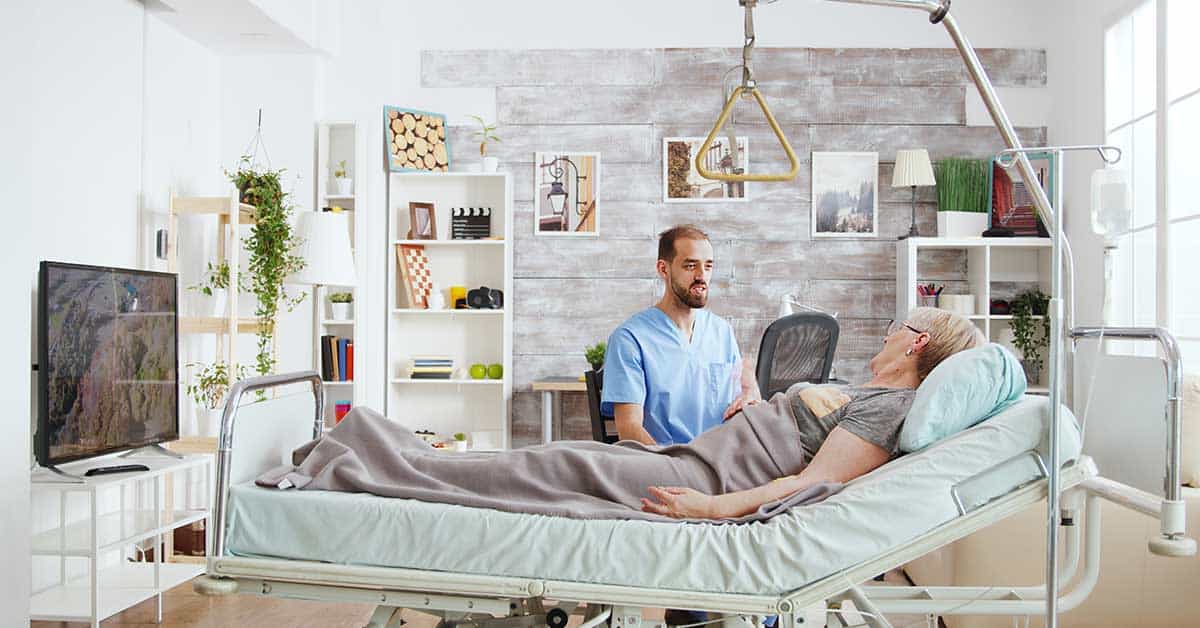
The phrase hospital bed at home sounds extreme to a lot of families like youre turning your bedroom into an ICU. In reality, a home hospital bed is often the difference between safe, manageable care and a 3 a.m. emergency room visit. Insurers know this, which is why they commonly list hospital beds under durable medical equipment (DME) when ordered by a physician for a medical need, not just comfort.
A standard covered hospital bed usually allows head and leg elevation, and height adjustments critical for transferring safely, preventing pressure injuries, and reducing breathing problems when lying flat. I remember one gentleman with congestive heart failure who literally slept in a recliner because lying in a normal bed made him feel like he was drowning. Once his cardiologist documented his need to be elevated and wrote a prescription, his Medicare plan covered a semi electric hospital bed. Within two weeks of delivery, his wife told me she was no longer terrified he’d slide out of the recliner at night.
According to CMS data on DME utilization, hospital beds are one of the most frequently approved home devices for Medicare beneficiaries with mobility, cardiac, or neurological conditions. The criteria usually revolve around: needing frequent position changes, requiring a body position not feasible in a regular bed, or needing special attachments (like traction or side rails) your standard bed cant safely support.
If you’re in Florida and trying to sort out options, its worth reading more detail on how payers treat these beds in the context of durable medical equipment and Florida Medicaid, especially if you’re stuck between Medicare and a Medicaid waiver program.
Insider Tip (from a home health RN): If your loved one is sleeping in a recliner every night because its easier to get up, that’s a red flag. Ive gotten more hospital beds covered starting from that one sentence than almost any other detail. Tell the doctor exactly whats happening at home not the cleaned up version.
2. Wheelchairs
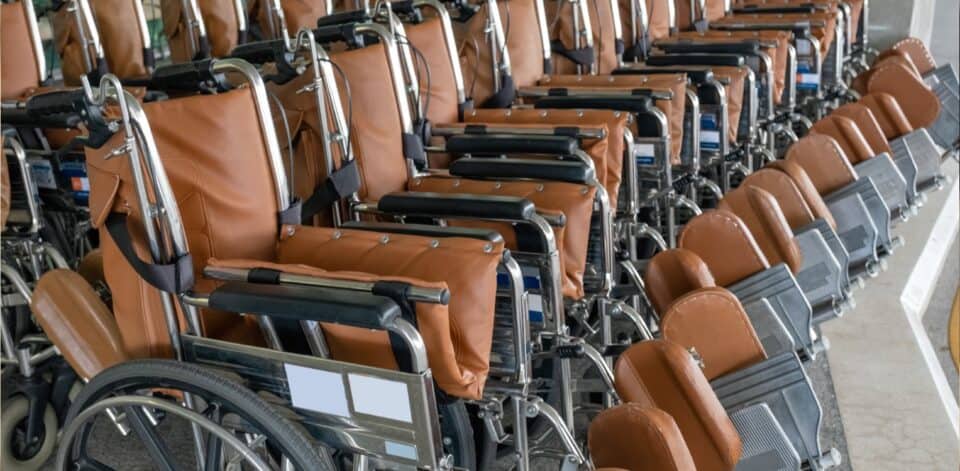
Wheelchairs are probably the most recognized category of home medical equipment, yet they’re also the most misunderstood when it comes to coverage. Families often think of them as a one size fits all big chair with wheels, so they buy something cheaply online and hope for the best. What insurance actually covers when you go through a proper DME provider and evaluation is far more nuanced, and frankly, far safer.
Most major insurers and Medicare distinguish between standard manual wheelchairs, lightweight and ultralight chairs, transport chairs, and power wheelchairs. The approval starts with a mobility assessment: can the person safely use a cane or walker inside the home? Do they have the upper body strength and coordination to self propel? Is there a medical condition, such as advanced COPD or neuro muscular disease, that limits their endurance? When the answer to those questions is no, a wheelchair often with specific features is not just optional; its medically necessary.
Ill never forget a retired school bus driver I met in Jacksonville who’d been mostly confined to her couch for months because she was waiting until her legs got stronger before asking about a wheelchair. Her Medicare Advantage plan, however, would have covered a properly sized lightweight chair months earlier if her physician had completed the right documentation. After her evaluation, we ordered a custom fitted manual chair, and within weeks she was back on her porch chatting with neighbors instead of watching life through the living room window.
Insurers focus heavily on in home mobility not whether you can navigate the mall. So the evaluation is often literally about how you move from bedroom to bathroom to kitchen. Local providers familiar with your environment, such as a Jacksonville durable medical equipment supplier, are invaluable because they’ll measure doorways, floor surfaces, and turning space so the chair that shows up is actually usable in your home.
Insider Tip (from a DME ATP Assistive Technology Professional): Never describe a wheelchair as for when we go out. Coverage is much stronger when you focus on basic tasks: getting to the bathroom, preparing food, going to the bedroom safely. That’s how the medical necessity box gets checked.
3. Scooters
Mobility scooters occupy a strange cultural space: half medical device, half shopping mall stereotype. That ambiguity leads people to assume they’re mostly a convenience item fun but not medically serious. Insurers draw a much sharper line: a scooter is covered only when its the least restrictive, medically necessary option for someone who cant walk functional distances but can still safely operate steering and controls.
Unlike wheelchairs, scooters are engineered primarily for community mobility: longer distances like navigating a grocery store, neighborhood, or large assisted living facility. When a person can walk a few steps at home with a walker but becomes dangerously short of breath after 50100 feet, insurers may look to scooters as the appropriate solution especially when a power wheelchair would be overly complex or difficult to transport.
I worked with a veteran in his early 60s with severe COPD who timed his grocery trips around how close he could park to the entrance. He refused a big wheelchair because it felt like giving up his independence. After his pulmonologist documented his limited walking distance and frequent shortness of breath, his insurance approved a scooter. The change in his demeanor was instant: he went from apologizing for slowing everyone down to racing his grandkids to the cereal aisle.
Coverage hinges on a detailed mobility evaluation, often performed by a physical or occupational therapist. They assess leg strength, endurance, balance, and the ability to safely use controls and turn the device. If you’re trying to choose between options, a local expert such as a Tampa durable medical equipment consultant can walk you through models that fit your body size, vehicle, and living space.
Insider Tip (from a rehab therapist): Document distance. Don’t say, He gets tired quickly. Say, He can walk 25 feet with a cane before needing to sit due to shortness of breath. That number often makes the difference on scooter approval.
4. Lift chairs
Lift chairs are probably the most underrated and often undercovered item on this list. Many people think of them as luxurious recliners with a motorized boost; insurers, on the other hand, see a very specific device: the mechanism that lifts you from sitting to standing. That means, in many cases, only the lift mechanism is covered, not the entire recliner, and you may be responsible for the non mechanical furniture component.
Still, when lift chairs are approved, they can be transformational. They reduce caregiver strain, lower fall risk, and allow people with arthritis, Parkinsons disease, or post surgical pain to get up independently without the terrifying rock and launch maneuver. I remember one petite caregiver in her 70s trying to boost her 200pound husband out of a low couch after his hip surgery. Her orthopedist was more worried about her back than his hip and immediately wrote an order for a lift mechanism.
From an insurance perspective, documentation usually needs to show that the patient is unable to stand up from a regular armchair or recliner but can walk once they are standing. If they cant stand or walk at all, insurers sometimes argue that a different solution (like a wheelchair or total lift) is more appropriate. This nuance is rarely explained to families, which is why many are surprised when their claim is partially approved (mechanism only) or denied.
If you’re weighing options, a provider who understands specialty needs supplies and DME coding can save you a lot of back and forth. They can clarify whether your plan treats lift chairs as DME, a capped rental, or a non-covered comfort item, and what portion you’ll realistically pay.
Insider Tip (from a DME billing specialist): When your doctor writes a prescription, have them use phrases like severe arthritis of both knees, unable to rise from a seated position without physical assistance instead of difficulty standing up. Specific language leads to cleaner approvals.
5. Oxygen equipment
Oxygen equipment is where the notion of home medical equipment gets very real, very quickly. This isn’t about comfort; its about keeping oxygen levels high enough to prevent organ damage, hospitalizations, and in extreme cases, death. Because of that, insurers and Medicare have tight, test based criteria but once those are met, coverage for oxygen concentrators, portable tanks, tubing, and related supplies is often robust.
The usual path begins with objective testing: arterial blood gases or pulse oximetry demonstrating low oxygen levels at rest, with activity, or during sleep. If those results fall below defined thresholds (for example, resting saturation at or below 88% on room air, per CMS coverage policies), a physician can prescribe home oxygen therapy. A DME provider then helps select the right mix of stationary concentrator, portable oxygen methods, and backup cylinders.
I once visited a woman in her late 50s who’d been offered home oxygen months earlier but declined because she didn’t want tubes in her nose. By the time I met her, she could barely walk 15 feet without gasping. After a hospital stay and another discussion, she reluctantly agreed. Within a month of using a portable concentrator outside and a stationary device at home, she told me, I didn’t realize how gray the world had gotten until the oxygen turned the colors back on.
In Florida, oxygen often falls under specific DME benefit categories tied to home use and may overlap with waiver or Medicaid programs if you’re dual eligible. Understanding that framework is where a provider experienced in durable medical equipment for Florida Medicaid earns their keep they know exactly which test results and notes your insurer expects.
Insider Tip (from a pulmonologist): Do the six minute walk test. Ive had patients who tested borderline at rest but dropped into the mid80s the minute they walked. That’s often what gets portable oxygen approved and it more accurately reflects their real life.
6. CPAP machines
Sleep apnea is notoriously under diagnosed, and CPAP is notoriously underused but when prescribed and supported correctly, CPAP machines are among the most cost effective, high impact home medical devices insurers cover. They reduce daytime fatigue, lower blood pressure, and, as multiple long term studies show, cut cardiovascular risks.
Coverage almost always starts with a sleep study either in a lab or via an approved home test documenting obstructive sleep apnea. Once the diagnosis is confirmed and severity established, most insurance plans will cover a CPAP or auto PAP device, along with initial masks, tubing, and filters. However, there’s a catch: many plans now require compliance monitoring. If you don’t use the machine a certain number of hours per night over a trial period, they can stop paying.
Ive worked with more than one patient who thought CPAP was optional because no one explained the long term consequences of ignoring their apnea. One man in his 40s treated snoring as a joke until he had a minor stroke. After rehab, he became almost evangelical about his CPAP, calling it his brain insurance. When we reviewed his insurance portal together, his usage data was being reported automatically, and his coverage for replacement supplies hinged on those nightly hours.
If you’re getting started, a good supplier like one engaged in both durable medical equipment and consumable medical supplies will not just drop off a machine. They’ll walk you through mask fitting, humidity adjustments, and replacement schedules that keep your equipment hygienic and functioning.
Insider Tip (from a sleep tech): If you’re struggling the first week, don’t just give up. Call the DME company. Minor tweaks different mask, lower starting pressure, adding humidity often turn a no way user into a nightly CPAP success, which keeps the insurance coverage active.
7. Home infusion therapy
Home infusion therapy is where home medical equipment starts to look like hospital care but delivered in your living room. Were talking IV antibiotics, parenteral nutrition, pain management, or specialty drugs administered through pumps and catheters. Historically, this kind of care meant long hospital stays; today, with the right oversight, much of it is shifting safely home.
Insurance coverage here is complex because it braids together device, drug, and professional service components. The pump itself often qualifies as DME, while the medications fall under pharmacy benefits and the nursing visits under home health. According to research from the National Home Infusion Association, home infusion can cut costs by 4060% compared to hospital based infusion, which is exactly why insurers are increasingly willing to cover it if clinical criteria and safety standards are met.
I remember a middleaged woman with Crohns disease who dreaded her monthly infusions at an outpatient center: a full day lost, long drives, exposure to other sick patients. When her GI specialist documented her stability and ability to manage at home, her plan approved home infusion. An infusion nurse trained her on pump alarms, line care, and what to watch for. A small, discreet pump and related specialty needs supplies suddenly gave her back her Saturdays.
Home infusion requires coordination between the prescriber, a specialty pharmacy, and a DME/infusion provider. Its not something you casually request; its a carefully orchestrated shift of care from hospital to home. But if you’re a candidate, don’t assume insurance will say no. Their own cost savings data increasingly works in your favor.
Insider Tip (from a home infusion pharmacist): Ask your provider: Is there a home infusion option for this treatment? That one question often triggers the benefits investigation no one bothered to initiate.
How to get home medical equipment covered by insurance
Knowing you may already qualify: 7 types of home medical equipment covered by insurance is one thing. Actually navigating approval is another. The process typically has four moving parts:
- A documented medical need in your chart
- A prescription or order from your provider
- A qualified DME or home infusion supplier
- A benefits check and prior authorization from your insurer
In my experience, the weak link is almost always documentation. Physicians are pressed for time; they might write needs wheelchair for mobility and call it a day. Insurers, however, want detailed functional information: how far you can walk, what happens when you try, and why cheaper alternatives (like a cane) wont work. Advocating for yourself means politely insisting that your provider include practical, real life details not just diagnoses.
The sequence that causes the least frustration usually looks like this:
- You describe specific problems at home to your doctor or therapist: falls, inability to get out of bed, severe fatigue after walking 20 feet, etc.
- Your provider decides what equipment is appropriate and writes a detailed order.
- The order goes to a DME company (for example, a local partner like Jacksonville durable medical equipment specialists), who runs a benefits verification with your insurer.
- If prior authorization is needed, the DME company and provider collaborate to send supporting documents clinic notes, test results, mobility assessments.
- Once approved, equipment is delivered, and training is provided.
For certain programs like the Florida Developmental Disability Waiver covering home medical equipment there’s an additional layer of service plans, waiver coordinators, and specific approved vendors. The underlying logic is the same: clearly demonstrate that the equipment keeps the person safe, functional, and out of higher cost institutional care.
Insider Tip (from a care manager): Don’t start with the question, Is this covered? Start with, What equipment would you order if insurance weren’t an issue? Once you know the ideal solution, then have the DME team match it as closely as possible within your benefits.
Other ways to pay for home medical equipment
Even with strong insurance, you’ll hit coverage gaps: deductibles, copays, non covered items (like certain lift chair components), or equipment that doesn’t quite meet the insurers criteria yet clearly improves quality of life. That’s when families either give up or start piecing together creative solutions.
The first alternative bucket is public programs and waivers. Beyond standard Medicaid, specialized waivers like the aforementioned Florida developmental disability waiver can fund home modifications, durable medical equipment, and consumable medical supplies when they support community living. If your loved one has a developmental disability, autism, or certain chronic conditions, its worth digging into these options with a social worker or case manager, not just a benefits hotline.
Next are disease specific foundations and nonprofit grants. Organizations focused on ALS, MS, spinal cord injuries, or pediatric conditions often maintain equipment loan closets or short term funding programs. Ive seen families borrow a pediatric hospital bed from a nonprofit while waiting out a long insurance appeal and then donate it back for the next child. These may not show up on a generic Google search; local DME providers and clinic social workers usually know who in your area quietly keeps people afloat.
For people who don’t qualify for public programs and have high insurance deductibles, financing and rental options sometimes make sense. Renting a hospital bed or wheelchair for a few months after surgery can be far cheaper than buying outright. Some vendors, especially those with a broad portfolio of durable medical equipment and consumable supplies in Jacksonville, offer payment plans or refurbished equipment at lower prices.
Finally, there’s a category I rarely hear discussed openly: strategic compromises. Maybe your plan wont cover a top of the line power chair, but it will cover a high quality manual wheelchair and a few targeted mobility related supports. Combining covered equipment creatively manual chair plus lift chair, or basic hospital bed plus custom mattress can get you 90% of the benefit at a fraction of the cost.
Insider Tip (from a DME owner): Ask if there’s a good enough covered option before reaching for your credit card. Ive talked people out of buying equipment they didn’t need because a simpler, covered device solved the real problem.
Conclusion: Stop assuming its probably not covered
The single most damaging myth in home care is that medical equipment is a luxury. Its not. Its a lifeline that insurers, Medicare, Medicaid, and waiver programs already budget for if you know how to ask and how to document your needs. From hospital beds and wheelchairs to scooters, lift chairs, oxygen equipment, CPAP machines, and home infusion therapy, the landscape is far broader than most families realize.
If you’re caring for someone at home or trying to stay independent yourself start from a different assumption: you may already qualify: 7 types of home medical equipment covered by insurance are available to you right now. The question isn’t Do I deserve this? or Can I afford this? but Whats the safest, most appropriate equipment for my real life, and how do we align the paperwork with that reality?
The families who thrive at home aren’t the ones who never need help. They’re the ones who get past the embarrassment, reject the myth that equipment is a last resort, and partner with experienced providers who live and breathe this maze every day. If you’re in Florida, that might mean calling a team like Wrightway Medical, laying your situation on the table, and saying: Here’s what life looks like at home. Tell me what I qualify for.
You don’t get a prize for struggling without the tools that keep you safe. You get worn out, burned out, and too often, hospitalized. The prize is using every benefit you’ve already earned to live with more dignity, independence, and peace of mind starting with the right equipment, in the right place, at the right time.