Aging in place in Florida without a real plan for hurricane and heat safety is not independence its gambling. Ive watched too many families cling to the dream of Mom staying in her home no matter what while quietly ignoring the brutal truth of a Category 4 storm or a week long heatwave. Florida is not Iowa. Here, the weather is an active, sometimes lethal, participant in every conversation about senior care. If you want to age in place in Florida, hurricane & heat safety must sit at the center of your planning, not as a footnote on a printed checklist that gets taped to the fridge and forgotten.
I’ve sat at kitchen tables in Tampa, Jacksonville, and Sarasota listening to adult children say, We’ll figure it out if something happens. Something is not a vague possibility here its a near inevitability. The question is not if your aging parents home will be tested by heat or hurricanes, but when and how prepared you’ll be when it happens. That’s why I’m unapologetically opinionated about this: if your plan doesn’t explicitly integrate power backup, medical equipment continuity, evacuation triggers, and communication strategies, then its not a plan at all. Its wishful thinking dressed up as loyalty.
Florida Aging-in-Place Safety
Learn how to prepare, respond, and recover from hurricanes and extreme heat while aging in place in Florida. – Hurricanes Before: make an evacuation and communication plan, assemble a 7day meds and emergency kit, secure windows and register for special needs evacuation; During: shelter in an interior room, follow official alerts and conserve device power; After: avoid hazards, document damage, contact insurers and local relief. – Heat Before: ensure reliable air conditioning or identify nearby cooling centers, stock water and cooling aids and plan for power outages; During: stay hydrated, stay in the coolest available space, watch for heatstroke signs and call 911 for emergencies; After: cool down gradually and seek medical care for heat illness. – Resources Use Florida county emergency management, FEMA, Florida Division of Emergency Management, local Area Agencies on Aging, cooling/shelter maps, utility and medication assistance programs, and special needs registries for aging in place hurricane & heat safety.
Aging in Place in Florida: Hurricane & Heat Safety
Lets be blunt: aging in place in Florida is sometimes romanticized as sunsets, palm trees, and grand kids visiting on school breaks. In reality, its also sandbag lines, hurricane shutters, and checking the heat index before you decide if Grandpa can safely sit on the porch. Florida has one of the highest proportions of older adults in the country more than 21% of residents are 65+, according to U.S. Census data. That means every hurricane and every heatwave is, functionally, a large scale stress test of our senior care systems, from home health agencies to medical equipment providers.
When families talk to organizations like Wrightway about aging in place in Florida: hurricane & heat safety, they usually start with, We want to keep Mom safe in her home. That’s admirable, but safety here is deeply technical: it involves understanding which oxygen concentrator pulls how many watts, which mobility devices can handle debris, whether that backup battery will last two hours or two days, and how Medicaid or waiver programs can help pay for extra equipment. Wrightway isn’t just about dropping off a walker and smiling; the reality is closer to engineering a small, resilient ecosystem in your parents living room.
I still remember one client in Orlando whose father depended on a powered hospital bed, a CPAP, and a powered recliner just to stand up safely. Before we walked in, their hurricane plan was basically: Well go to a shelter if things look bad. No one had checked which shelters were special needs shelters, which would accept power dependent seniors, or whether his equipment could be transported at all. It wasn’t that they didn’t care they just didn’t realize aging in place in this state requires the mindset of a logistics manager, not just a loving child.
Insider Tip (Home Medical Equipment Specialist): If a senior relies on any powered device oxygen, suction, hospital bed, wheelchair treat electricity like medication. Would you tolerate a vague plan for how to get insulin during a storm? The power plan deserves the same seriousness.
Aging in place in Florida, done correctly, is about systems, redundancy, and clear thresholds for action. Its also about choosing the right tools whether that’s a properly sized generator, a battery backup mobility scooter from options you might first explore in detail in a guide like Wrightways indoor vs. outdoor mobility scooters for Florida residents, or smart home devices integrated strategically through services such as Tampa smart home safety upgrades or Jacksonville smart home safety upgrades. If your loved one wants to age in place, your job is to engineer that independence so it can withstand 110degree heat indices and 110mph winds.
Hurricane Safety
Floridas relationship with hurricanes is long and unforgiving. From Andrew in 1992 to Ian in 2022, each major storm writes another chapter in the same brutal textbook: power goes out, roads flood, medical systems strain, and the most vulnerable residents especially older adults bear the brunt. The National Hurricane Center notes that nearly half of hurricane-related deaths in the U.S. in recent years stem from storm surge and inland flooding, but for seniors at home, indirect deaths from lack of power, disrupted care, and heat exposure are just as deadly.
I worked with a family in Sarasota who thought they were ready for Hurricane Irma because they had stocked up on canned food and bottled water. What they hadn’t considered was that their 82yearold mothers arthritis made it almost impossible for her to use a manual can opener, and her portable oxygen concentrator battery lasted just 3 hours. The storm itself didn’t damage their house, but the 4day power outage nearly sent her to the hospital. That’s the difference between tourist prep and senior specific hurricane prep.
Before a Hurricane
Preparation for seniors aging in place must start months before hurricane season, not when a cone of uncertainty appears on the local news. You should begin by mapping out every device and service that keeps your loved one stable: oxygen, suction, feeding pumps, powered wheelchairs, refrigeration for medication, lift chairs, hospital beds, even low tech items like shower chairs and grab bars. Then you ask brutal questions: If power is out for 5 days, what fails first? If we need to evacuate within 12 hours, what can we realistically move?
One underrated step is registering your senior with local programs, like the county special needs shelter registries, which often require pre-approval. Many Florida counties close registration days before a storm. Ive seen families turned away simply because they assumed they could show up unannounced with a power dependent elder and plug in. Don’t make that mistake talk early with your local emergency management office and your durable medical equipment provider. Providers like Wrightway, especially those deeply rooted in local systems like Tampa durable medical equipment or Orlando, often know which shelters are truly DME friendly, and which are simply gyms with cots.
Insider Tip (Emergency Planner): If you’re calling special needs shelters for the first time when the storm is 72 hours out, you’re late. Have that conversation in April, not August.
I’m unapologetically biased toward overengineering backups. That often looks like:
- A realistic generator plan (including fuel, ventilation, and someone strong enough to set it up).
- Additional batteries for wheelchairs, scooters, and oxygen concentrators.
- Manual backups where possible (e.g., backup oxygen cylinders, non-powered transfer devices).
- Waterproofing and labeling every piece of equipment you might need to move, from walkers to bathroom aids.
Families often discover during this planning stage that they’re short on essential equipment. This is where knowing about funding options like Florida Medicaid and waiver programs is key; Wrighteways breakdown of durable medical equipment and Florida Medicaid and the Florida developmental disability waiver and home medical equipment can be the difference between We cant afford a backup and We’ve got redundancy.
During a Hurricane
Once the storm is imminent, your job shifts from long-term planning to tight operational control. In practice, that means executing a written plan, not improvising. When I rode out a storm with my own grandfather in Pasco County, what saved us wasn’t heroism it was a printed, taped up checklist that we could walk through even when we were exhausted and scared. It told us which circuit the oxygen concentrator was on, which extension cord to use with the generator, and who to call if equipment failed.
If you remain at home, the interior of the house needs to be zoned with your seniors mobility and equipment in mind. Where is the safest room with the fewest windows that still has enough space for a hospital bed, wheelchair, or bedside commode? Are power cords taped down to avoid falls in the dark? Are medications and important documents in waterproof, accessible containers? During Hurricane Irma, I visited a home where the only clear path to the safe room required squeezing a walker past stacked cases of water watching that senior try to navigate in semidarkness was terrifying.
Insider Tip (Home Health Nurse): In the 24 hours before landfall, shift your focus from comfort to safety. That may mean temporarily rearranging furniture, moving the bed away from windows, and choosing a less comfortable room that is structurally safer and easier to access for caregivers.
If you evacuate, execution is even more complex. Powered equipment must be turned off properly, cords secured, and devices labeled with the seniors name and contact information. Families often forget low-tech but crucial items like transfer boards, gait belts, shower chairs, or toileting equipment. The first night in a shelter is not the time to discover Grandma cant get onto a cot without a sturdy armrest or grab bar. Older adults who rely on scooters or wheelchairs should have a clear plan for charging those devices in crowded shelters; this is where consulting resources like Wrightways comparison of indoor vs. outdoor mobility scooters for Florida residents can pay off, especially if you’ve chosen a model with flexible charging options.
After a Hurricane
The storm ends; the danger does not. In my experience, the highest risk period for seniors aging in place is often the 37 days after a hurricane, when power is unstable, pharmacies are closed, and temperatures rise while air conditioning is still out. Many families mentally exhale when the radar clears, only to be blindsided by heat exhaustion, falls in dark rooms, or medication interruptions.
You need a written first 72 hours after protocol that is as explicit as your pre-storm checklist. That protocol should include: checking all medical equipment for damage; confirming battery levels; documenting any lost, water damaged, or malfunctioning DME for quick replacement; and reassessing whether the home is safe enough for the senior to stay. This is where having a relationship with a responsive DME provider matters one who understands your inventory and can coordinate replacements quickly across regions such as Tampa, Sarasota, or other Florida cities.
Insider Tip (DME Coordinator): We can replace equipment faster if families already have a documented list of whats in the homemake, model, serial if possible. Take photos of every machine before storm season and store them in the cloud.
Emotionally, the post storm period can be brutal for seniors. They may be dealing with disrupted routines, damaged property, and the shock of seeing their neighborhood altered. I remember one older client in Jacksonville who refused to use her walker in the debris strewn streets because she was embarrassed to be seen so frail amid the cleanup crews. She fell on wet branches and ended up with a hip fracture an entirely preventable outcome if the family had planned safer indoor pathways, or temporary relocation to a more accessible environment for those days.
Heat Safety
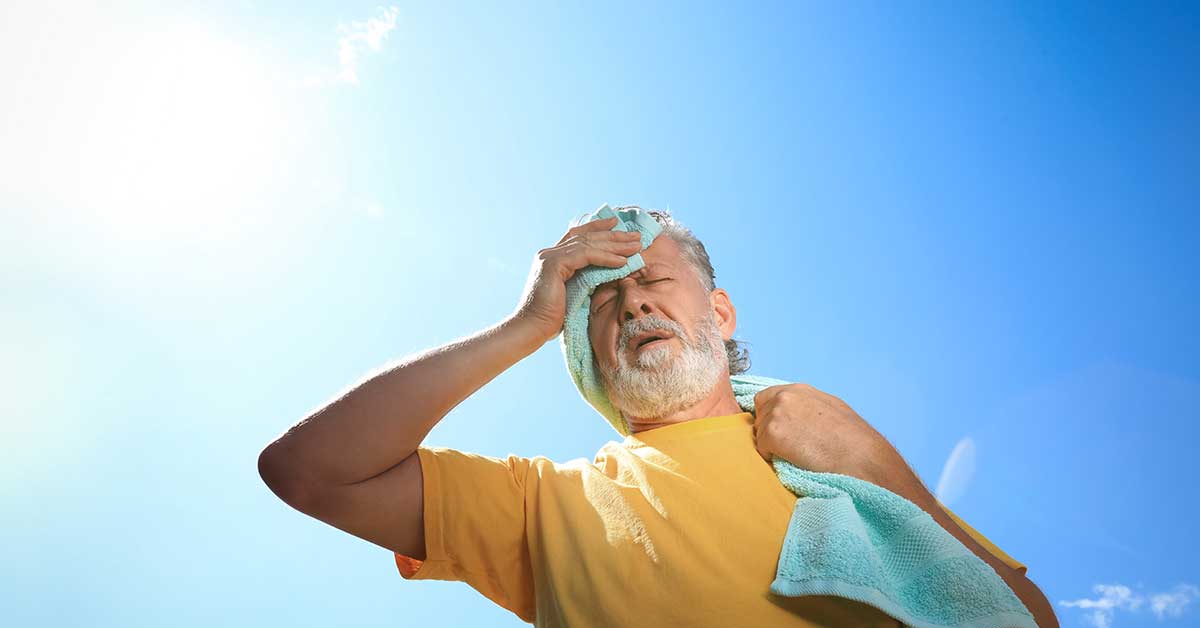
If hurricanes are the dramatic, headline grabbing threat to Florida seniors, heat is the slow, quiet killer. Heatwaves don’t throw lawn furniture or knock over palm trees on live TV, but they quietly push older adults into emergency rooms with dehydration, heat stroke, and worsened heart and kidney conditions. The CDC has repeatedly documented that adults over 65 are disproportionately affected by extreme heat, and Florida’s trend lines are ugly: more days above 90°F, higher overnight lows, and more frequent heat advisories.
I admit I underestimated heat danger myself until I watched my own aunt, living alone in Central Florida, land in the ER after a week of not wanting to run the AC too low because of the bill. Her core temperature was over 103°F. She was not hiking trails or gardening at noon she was sitting in her living room, slowly cooking in a house that stayed above 85°F overnight. That’s when I stopped treating heat safety as a lifestyle issue and started seeing it the way I see hurricane prep: as a nonnegotiable system that must be engineered for seniors aging in place.
Before a Heat Emergency
Heat safety for aging in place starts with honest assessment of the home and the person, not just a lecture about drink more water. You evaluate:
- How efficient is the cooling system?
- Are there backup cooling options (portable ACs, fans, shaded rooms)?
- Does your senior have conditions or medications that blunt their sense of thirst or affect sweating?
- Is cognition intact enough to recognize heat stress?
Older adults often under report heat discomfort. Many grew up without air conditioning and see enduring heat as a point of pride. I remember a client in Tampa insisting, I grew up in Georgia with just a fan, Ill be fine. She was also on a diuretic and beta blocker, both of which significantly altered her heat tolerance. According to research published in JAMA Internal Medicine, older adults on certain cardiovascular and psychiatric medications have a significantly higher risk of heat related illness, yet almost no one talks about this at routine doctor visits.
Insider Tip (Geriatrician): Ask doctors directly: How do my medications change my heat risk? Don’t assume its been covered. In many clinics, it hasn’t.
The home environment should be prepped like a mini climate controlled ecosystem. That might include adding smart thermostats and remote sensors services like Tampa smart home safety upgrades or Jacksonville smart home safety upgrades can integrate alerts so that adult children get notifications if indoor temperatures go above a threshold. Window shades, insulated curtains, and sealing air leaks are not cosmetic upgrades they’re heat safety infrastructure.
Preheat planning also involves social engineering: establishing a calling tree or daily check in schedule during peak summer months, especially for seniors living alone. During a 2023 heatwave, I saw a neighborhood in Orlando informally assign each household over 75 a heat buddy someone who called twice a day to ask specific questions: What does the thermostat say? How many cups of water have you had since breakfast? Vague How are you doing? calls are useless when someones cognition is already slipping from dehydration.
During a Heat Emergency
When the heat index climbs into dangerous territory, day today life for a senior aging in place needs to shift from normal routine to protective protocol. This means aggressively limiting outdoor exposure during midday hours, rescheduling appointments to mornings or evenings, and rethinking even short tasks like walking to the mailbox. One of the most preventable hospitalizations I witnessed in Sarasota involved an 89yearold man who insisted on doing his own yard work just for 15 minutes. Those 15 minutes, on a 105°F heat index day, ended with him being found collapsed in the driveway.
Inside, cooling zones should be used strategically. Not every room needs to be chilled to perfection; focus on creating one or two safe cool rooms typically a bedroom and living area where temperatures remain under about 78°F during heat emergencies, and encourage the senior to spend the bulk of their time there. Portable AC units, fans directed wisely (never at dehydrated individuals who cant sweat adequately), and ensuring good airflow around powered medical equipment all factor into this plan. If you’ve already invested in mobility gear to support independence, like scooters or walkers sourced through providers in Tampa, Sarasota, or elsewhere, make sure they’re not inadvertently blocking vents or air pathways.
Insider Tip (Home Care Agency Director): During heatwaves, I instruct staff to check the walls and pillows with their hands. If a pillow feels hot to the touch, that senior is at risk even if they don’t complain. Older adults often normalize feeling uncomfortably hot.
Hydration needs to be scheduled, not optional. Families often leave it at, Remember to drink water, which is nearly useless when dementia or simple distraction is in play. Instead, build a schedule: one glass upon waking, one mid-morning, one at lunch, mid-afternoon, dinner, and early evening. Use visible containers with measurements drawn on them and make it a concrete daily goal. For some seniors, especially those with mobility issues, setting up hydration stations in each frequently used room next to the recliner, bed, and favorite chair can be the difference between success and I just didn’t feel like getting up.
After a Heat Emergency
The end of a heat advisory doesn’t mean the risks vanish. Seniors can remain dehydrated and physiologically stressed for days. Ive watched families misinterpret post heat fatigue and confusion as just getting older when in reality the person was dealing with lingering effects of mild heat stroke. If a senior has had any symptoms dizziness, confusion, rapid pulse, nausea during the heat event, the following days should include increased monitoring, not a return to autopilot.
This is also the moment to do a postmortem on your systems. Did the AC struggle to maintain safe temperatures? Did the senior resist moving to cooler rooms? Were caregivers surprised by how quickly conditions became uncomfortable? These are all clues that your preventative design is inadequate. Just as we reassess hurricane plans each season, heat plans should be iteratively improved. Maybe that means upgrading insulation, adding another portable unit, swapping heavy bedding for lighter materials, or using smart plugs and sensors integrated through services in cities like Orlando to remotely confirm that fans and ACs are actually turned on.
Insider Tip (Energy Auditor): For older homes with seniors on fixed incomes, a simple energy audit can be as important as any medical tool. Reducing heat gain and improving efficiency lowers bills and removes the financial incentive to tough it out in dangerous temperatures.
Families sometimes discover after a heatwave that their loved ones mobility limitations made it hard to reach cooler areas of the home, especially if the safest space was on another floor or at the far end of a hallway. That’s when adding or adjusting durable medical equipment ramps, transfer bars, or a different type of mobility device moves from nice to have to essential. Agencies specializing in aging in place, like those detailed on Wrightways aging in place overview, can help redesign the home layout with heat safe mobility in mind, not just fall prevention.
Additional Resources
If you’re serious about aging in place in Florida: hurricane & heat safety, you need more than a single article you need a network. That network includes your local emergency management office, your seniors primary care team, a responsive home medical equipment provider, and, ideally, professionals who understand the intersection of technology and elder safety.
Organizations like Wrightway sit at that intersection in a practical, unglamorous way: identifying which seniors in Tampa, Sarasota, Orlando, or other regions are most vulnerable, ensuring they have the right DME, and helping families navigate programs like Florida Medicaid and developmental disability waivers through resources such as the Florida developmental disability waiver and home medical equipment guide. These aren’t abstract policy issues they translate directly into whether a backup oxygen tank, a pressure relief mattress, or a portable ramp is available when the grid goes down or the mercury rises.
Insider Tip (Care Manager): Don’t wait for a crisis to build your team. Know your DME provider, your preferred hospital, your county emergency contacts, and your backup caregivers. Put those names and numbers in one written document.
Consider building your own Aging in Place Safety Binder that includes:
- A full inventory of durable medical equipment, with photos.
- Copies of key documents: ID, insurance cards, advance directives.
- A hurricane plan: evacuation triggers, shelter options, routes.
- A heat emergency plan: temperature thresholds, cooling strategies, hydration schedule.
- Contact lists for DME providers, like those serving Tampa and surrounding areas, home health agencies, neighbors, and family.
Conclusion: Independence Requires Infrastructure
The hard truth is that in Florida, independence for seniors is not just an emotional stance its an infrastructure project. Romantic notions of aging in place crumble quickly when the AC fails, the power grid collapses under a hurricane, or a heatwave turns a familiar home into a slow oven. Ive watched both sides: families who engineered robust, redundant systems and rode out storms and heat with manageable stress, and families who treated safety as an afterthought and paid the price in hospitalizations, relocations, or worse.
If you care about your parents or grandparents right to remain at home, you have to care deeply about aging in place in Florida: hurricane & heat safety. That means unapologetically interrogating their home, equipment, habits, and support network. It means saying yes to seemingly overboard planning: backup batteries, documented protocols, smart home integrations, and fully exploited Medicaid or waiver benefits. It means refusing to accept Well figure it out as a strategy.
Aging in place in Florida can be beautiful. It can also be deadly if done casually. The families who succeed are not the ones who love their elders more they are the ones who translate that love into rigorous preparation, informed partnerships with organizations like Wrightway, and a clear-eyed understanding that in this state, safety is never seasonal. Its a year round discipline, and its the price we pay to let the people we love stay in the homes they love.