In my experience, Wrightway has an amazing staff that provides excellent service and care to each and every client. They are dedicated, reliable, and professional. I highly recommend them.
Independence at home works until the moment it doesn't. A woman in Lutz living alone after her husband's passing manages fine most days—until she falls at 2 AM and can't reach her phone on the nightstand. A veteran in Brandon using a power wheelchair handles his routine independently—until the heavy front door becomes a ten-minute ordeal every time someone needs to come in. A father in Sun City Center with early-stage Alzheimer's is safe during the day when his daughter checks in—but the hours in between leave the whole family anxious. Smart home safety upgrades close these gaps without taking away independence. Wrightway Medical's C.E.A.C. certified team has been installing medical alert systems and automatic door openers in Tampa Bay homes for over 30 years.
Hillsborough County’s population of nearly 1.5 million includes a large and growing number of older adults living independently—particularly in Sun City Center, Apollo Beach, and Ruskin, but also scattered across Carrollwood, Northdale, Westchase, and every other community in the county. Tampa General, BayCare St. Joseph’s, AdventHealth Tampa, and the James A. Haley VA Medical Center discharge patients every day into homes where the individual will spend substantial time alone between caregiver visits, aide shifts, or family check-ins. The hours in between are the window where falls go undetected, medical events go unanswered, and heavy doors become barriers. Smart home safety technology addresses that window directly—and for wheelchair users and individuals with limited hand strength, automatic door openers eliminate one of the most persistent daily obstacles in the home.
As an ACHC-accredited provider and certified installer for Autoslide and Open Sesame automatic door systems, Wrightway Medical installs smart home safety upgrades throughout Hillsborough County and the greater Tampa Bay area. We work directly with Medicare, Medicaid, and Florida’s waiver programs—including iBudget, CDC+, and SMMC-LTC—managing Environmental Accessibility Assessments, authorization documentation, and complete installation. Discharge planners at Tampa General, case managers at the James A. Haley VA, and support coordinators at Senior Connection Center refer to us because we handle the entire process—assessment through training—without requiring families to coordinate between multiple vendors.

We deliver and service a complete range of home medical equipment throughout the Tampa Doorway Smart Home Safety Upgrades area:
A medical alert device does one job: it connects a person who needs help with someone who can send it—without requiring them to reach a phone, dial a number, or explain their location. For someone lying on a bathroom floor in a Seffner ranch home after a fall, or experiencing chest pain alone in a Temple Terrace apartment, that single function is the difference between a treatable incident and a life-threatening delay.
We install waterproof pendant and wristband devices designed to be worn continuously—including in the shower and during sleep—so the individual is never separated from their ability to summon help. Pendants hang from the neck for individuals who prefer that placement; wristbands stay on the wrist and serve people with cognitive concerns who might remove a pendant but keep a watch-like device on. Both communicate with a base unit that connects to a 24/7 professional monitoring center through two-way voice—the person can speak with the dispatcher and the dispatcher can respond, even if the individual can’t reach the base unit directly. For someone living alone in a Citrus Park home, or an older adult in a Gibsonton mobile home whose family lives across the county, the wearable device is their direct line to emergency response at any moment.
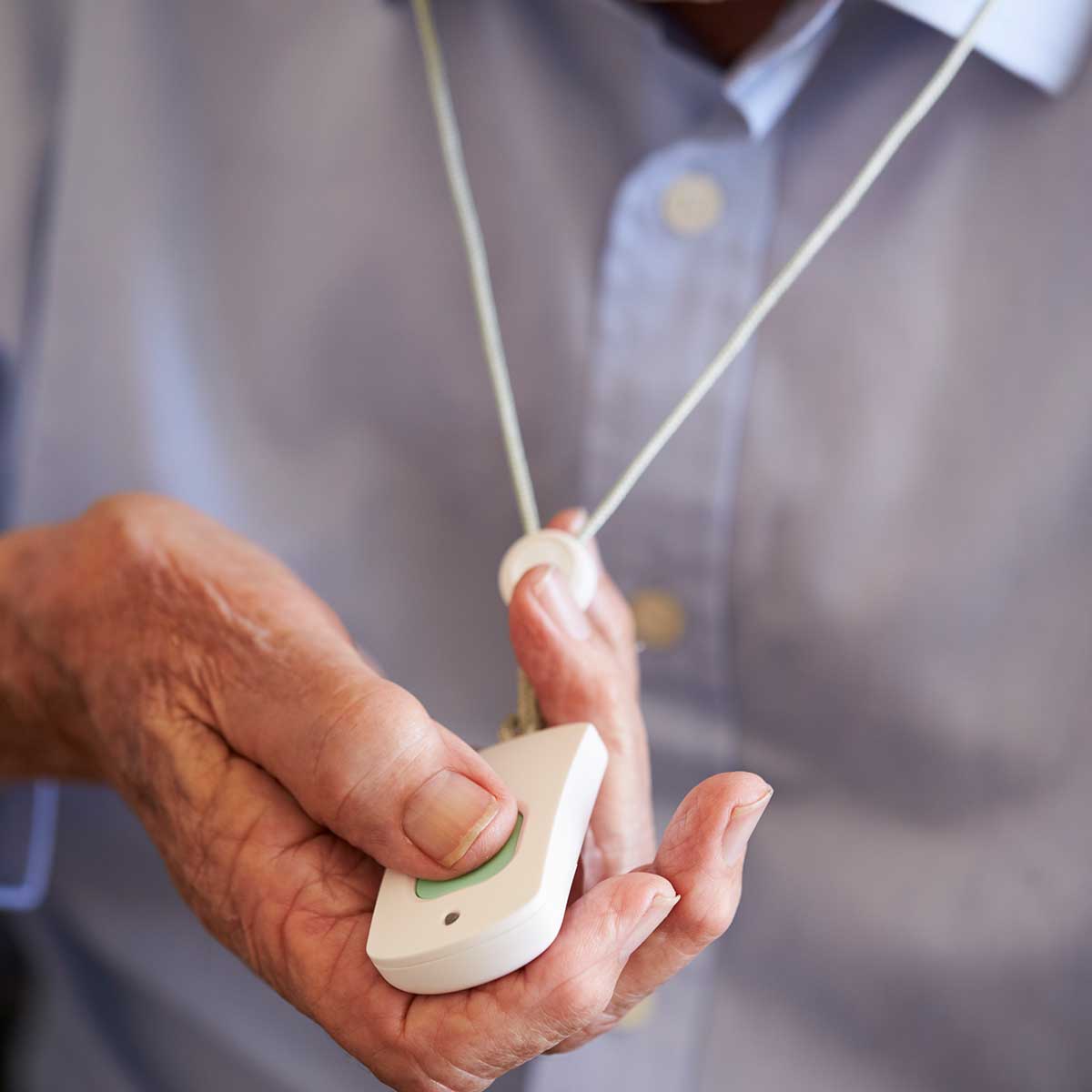
Not every fall leaves someone able to press a button. A severe fall can knock someone unconscious, cause disorientation, or leave the pendant pressed against a surface where the wearer can’t reach it. Automatic fall detection technology fills that gap.
The device senses the sudden impact and orientation change that indicate a fall and triggers an alert to the monitoring center without any action from the wearer. Dispatchers attempt voice contact through the base unit, and if the individual doesn’t respond, emergency services are dispatched based on the home’s registered address and the individual’s medical profile. For active individuals who go beyond the home—using a scooter around Sun City Center, walking in Apollo Beach, or attending appointments in Downtown Tampa—GPS-enabled devices extend coverage beyond the base unit’s range. If an alert is triggered away from home, the monitoring center identifies the wearer’s location and dispatches help to the exact spot. Cellular-based GPS devices work independently of home internet, which matters when Tampa storms disrupt power and Wi-Fi across a neighborhood.
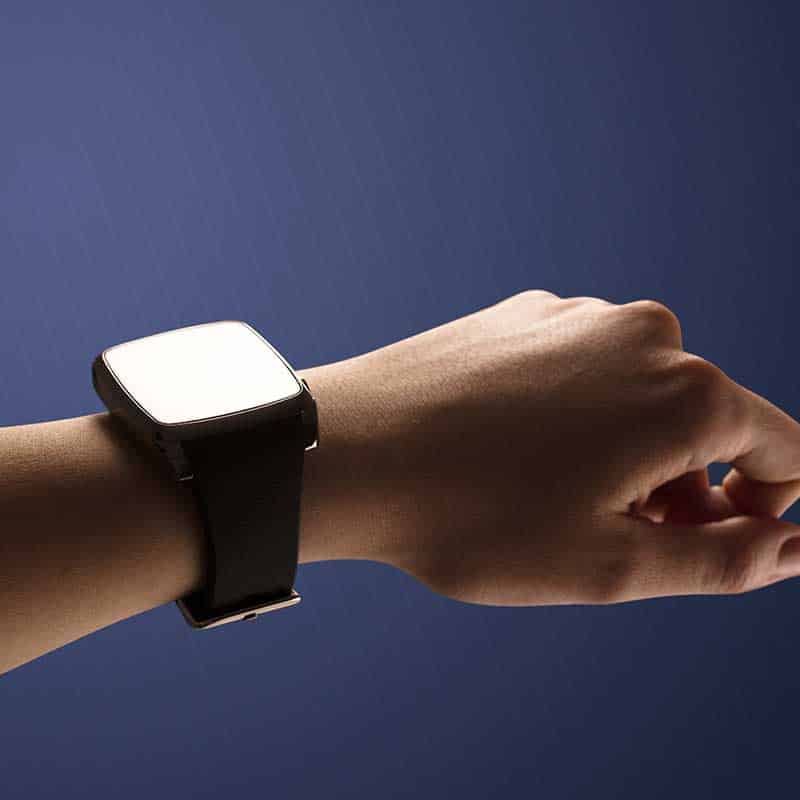
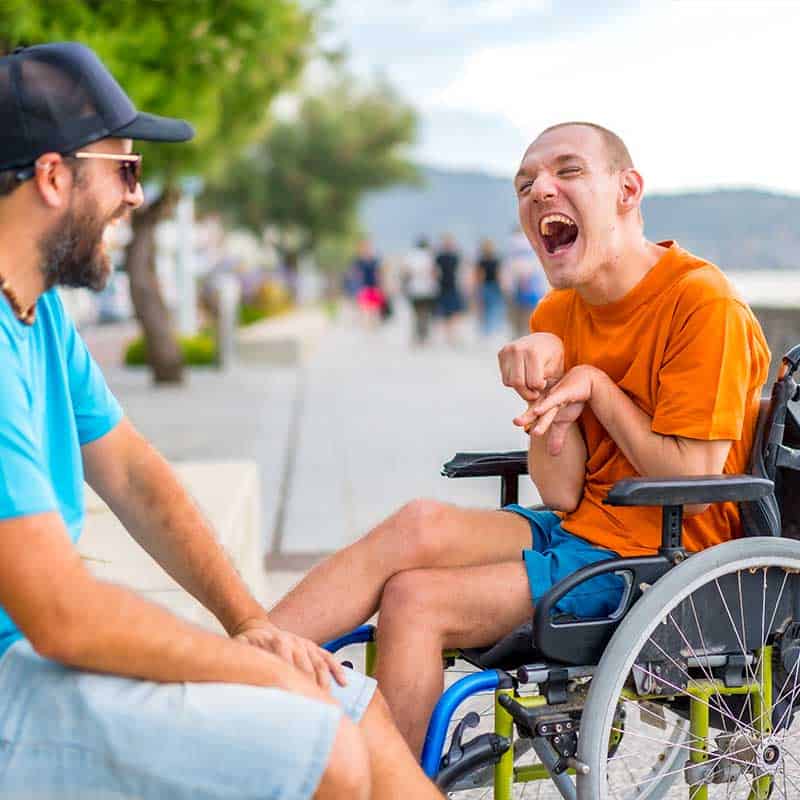
A standard door requires gripping a handle, turning or pressing, pulling or pushing the door’s full weight, and holding it open while moving through with mobility equipment. That’s a negotiation most wheelchair users manage dozens of times a day—and every negotiation is a chance to fail. A standard exterior door with a deadbolt, weather stripping resistance, and key management makes the problem worse.
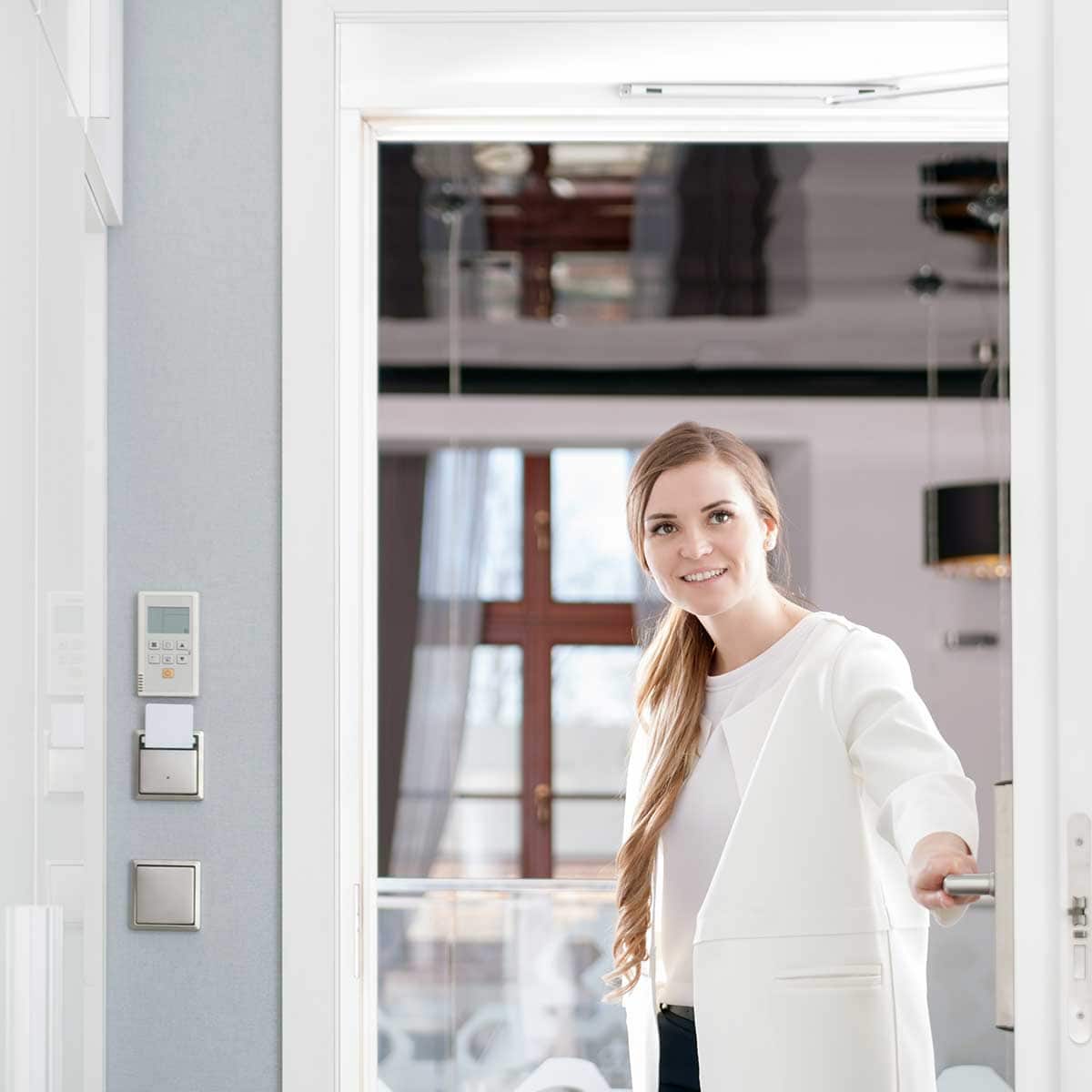
As certified installers for Autoslide and Open Sesame systems, we motorize interior hinged doors, exterior entry doors, sliding glass doors, and heavy main entry doors so they open, hold, and close on command. Wall-button activation places a mounted trigger near the door, operable with a closed fist, elbow, or side of a hand. Wireless remote activation lets someone open their front door for an arriving caregiver without crossing the house. Motion sensor activation opens the door automatically as someone approaches—completely hands-free for wheelchair and scooter users moving through daily routines. In Hillsborough County, where lanai and screened porch access is central to daily life, automatic sliding glass door openers often matter as much as front entry automation. A retiree in Apollo Beach accessing their screened porch independently, or a wheelchair user in Keystone whose front door required a two-person effort for years—these are the situations where automatic openers return daily independence.
Tampa’s summer storm season makes power reliability a real factor for any home safety system. A medical alert that loses function during an outage, or a motorized door that stops working when the electricity fails, isn’t providing the protection families think they’re getting.
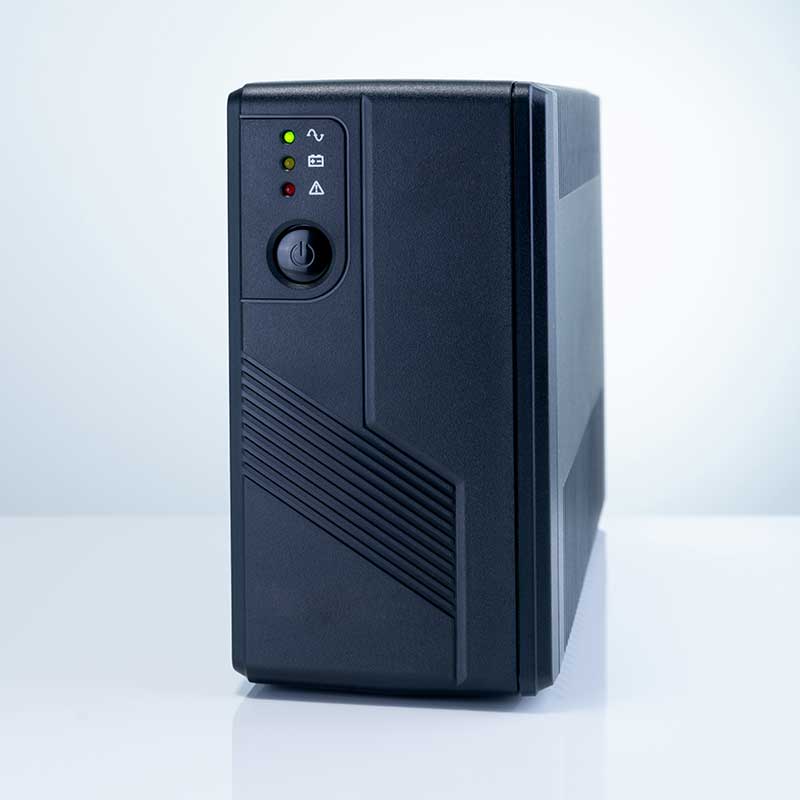
Every medical alert base unit we install includes battery backup that keeps the system operational during power outages—continuing the monitoring connection on battery power for hours at a time. Wearable pendant and wristband devices operate independently of home power entirely. GPS-enabled devices that work outside the home use cellular networks rather than home internet, so they function regardless of home power status. Automatic door openers we install include backup mechanisms—manual override for sliding glass doors, battery backup for entry doors, and fail-safe designs that allow doors to be opened manually if the motorized system is disabled. During Hillsborough County’s hurricane season, these features aren’t optional. Our team tests every system at installation and shows the individual and caregivers how to verify the system is functioning properly.
Every smart home safety project starts with understanding the specific safety gaps in the individual’s daily routine—not a generic package applied to every home. A person living alone with significant fall risk needs different technology than a wheelchair user whose primary barrier is door management.
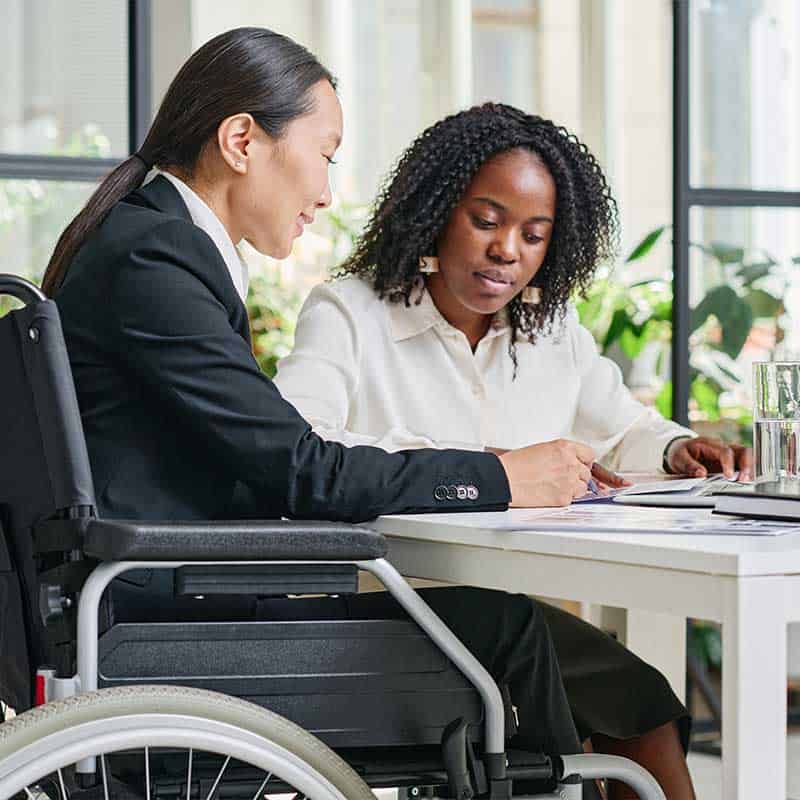
Our C.E.A.C. certified team visits the home, evaluates the individual’s daily routine, identifies safety gaps and access barriers, and determines the right combination of systems. For individuals on Florida Medicaid waiver programs, we complete the Environmental Accessibility Assessment required to document need and support authorization under iBudget, CDC+, and SMMC-LTC. We know what each program requires in terms of documentation detail and medical necessity language, and we submit complete paperwork the first time. Installation is handled by certified technicians, and we train the individual and every caregiver who interacts with the systems before leaving the home. How to wear and test the alert device. How each door opener activates. How to change batteries. How to verify the monitoring connection. Support coordinators across Hillsborough County rely on us because the training is as important as the installation.
We provide delivery and services throughout the Tampa Doorway Smart Home Safety Upgrades area including:
In my experience, Wrightway has an amazing staff that provides excellent service and care to each and every client. They are dedicated, reliable, and professional. I highly recommend them.
I work for the Angelus up in Hudson, Florida. We have been using Wrightway for over 15 years. I highly recommend using them for any of your medical needs you might have.
The wonderful people at Wrightway Medical really care about their clients. Their products and services are top notch. I highly recommend this company!
Calling 911 requires reaching a phone, unlocking it, dialing, and communicating location and situation—none of which may be possible during a fall, cardiac event, stroke, or period of disorientation. A medical alert pendant or wristband is worn on the body at all times and requires only a single button press—or no action at all if automatic fall detection triggers the alert. The monitoring center already has the individual’s home address, medical information, and emergency contacts on file, so dispatch happens without the wearer providing any information. For someone alone in a Thonotosassa home at midnight, the difference in response time matters.
In most cases, automatic openers are installed on existing doors—no replacement needed. The Autoslide and Open Sesame systems we install are designed to retrofit onto hinged doors, sliding glass doors, and entry doors already in the home. Our team evaluates each door’s weight, condition, and hardware during the assessment and confirms compatibility before installation. If a particular door is too damaged or too heavy for the opener system, we’ll discuss replacement options before proceeding. The vast majority of doors in Hillsborough County homes—from older Seminole Heights bungalows to newer Riverview construction—are compatible with the systems we install.
Florida Medicaid waiver programs—including iBudget, CDC+, and SMMC-LTC—can authorize medical alert systems and automatic door openers as environmental adaptations or assistive technology when documented through an Environmental Accessibility Assessment. We also work with Area Agency on Aging plans and Children’s Medical Services. Some managed care plans and VA programs may cover these systems as well. Our team evaluates funding options, completes required documentation, and submits authorization requests. We explain what’s covered and what isn’t before any installation begins.
Every system we install includes battery backup that keeps it operational during power outages—a critical feature in Hillsborough County where summer storms regularly interrupt electricity. Medical alert base units continue monitoring on battery power. Wearable pendants and wristbands operate independently of home power. GPS-enabled devices use cellular networks rather than home internet. Automatic door openers include manual override and backup mechanisms so doors remain operable if the motorized system loses power. We test every system at installation and show the individual how to verify that the backup systems are functioning.
Free Consultation
Ready to talk about what you need? Whether you're a family member researching options, a support coordinator looking for a reliable provider, or a physician who needs a responsive DME partner, we're here to help.
We'll discuss your situation, answer your questions, and figure out the best path forward—no pressure, no sales pitch. Just honest guidance from a team that's been helping Florida families since 1995.