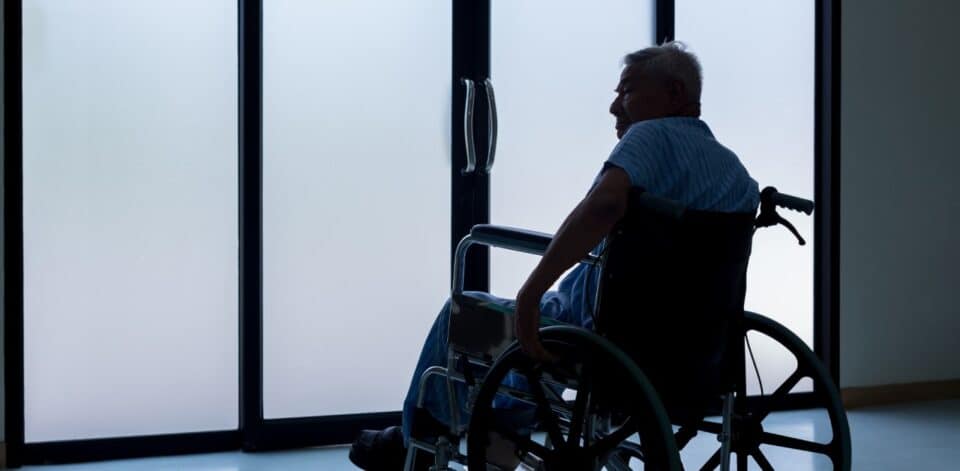

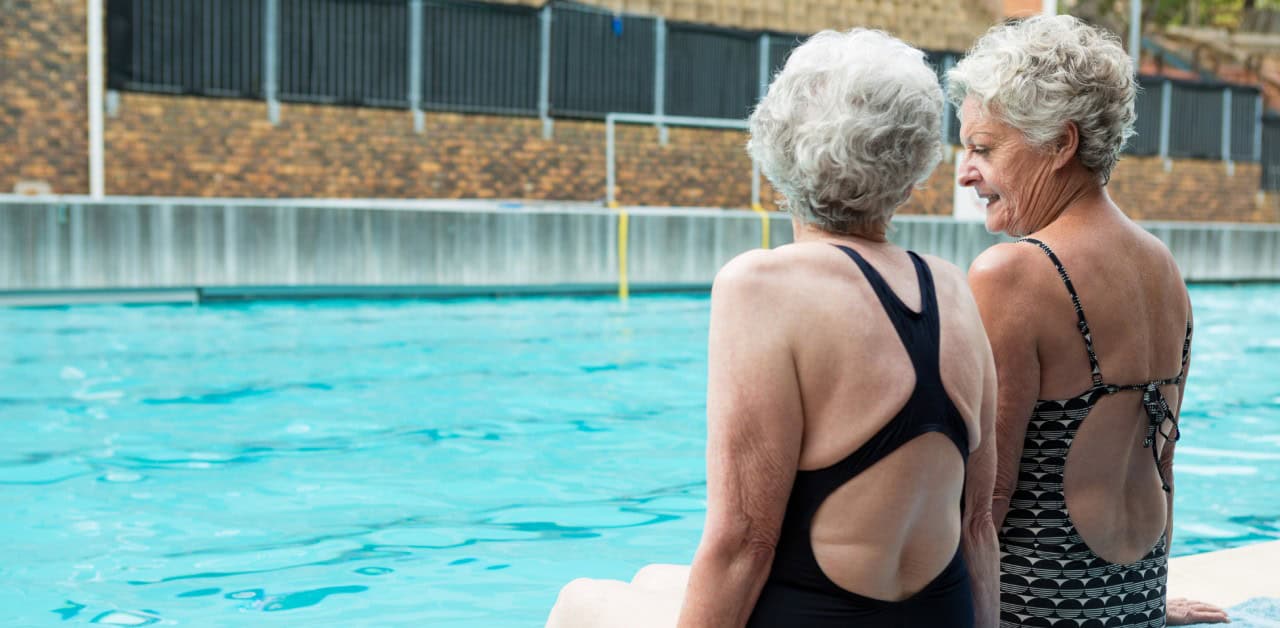
A home pool that isn’t truly safe for its oldest residents isn’t a luxury — it’s a liability. Families across Florida invest in beautiful lanais and resort-style backyards, then quietly admit that their aging parents don’t feel confident using any of it. That’s not just a missed opportunity for joy; it’s a real gap in outdoor accessibility when the lanai, pool, and driveway aren’t treated as one connected system.
The blunt truth: a senior who is even slightly unsteady indoors is at far higher risk around a wet pool deck or slick surface. Aging in place can’t stop at ramps and bathroom grab bars. In a state like Florida, where the pool is practically part of the culture, it has to be treated as a core accessibility zone — not a bonus feature. Installing a front-door ramp and a few bathroom modifications, then assuming a loved one will “just be careful outside,” is a wish, not a plan. Real safety is built into the environment: alarms that trigger, surfaces that grip, lifts that support, and rails that guide.
Below are five pool safety strategies worth treating as non-negotiable if you want an older loved one to genuinely enjoy the water well into their 80s and beyond.
Outdoor Accessibility Tips
Quick upgrades that boost safety, reduce falls, and support independence outdoors:
- Pool: Reduce drowning and slip risks with a pool alarm and safety cover, non-slip decking, a pool lift for easy entry and exit, and handrails or grab bars at the steps.
- Lanai: Add low-threshold ramps or gentle step risers, non-slip flooring, secure handrails, and stable seating.
- Driveway: Create a smooth, even surface with gentle slopes, non-slip coatings, good lighting, and clear pathways to ease transfers and mobility.
1. Install a Pool Alarm
If you could choose only one upgrade for a senior’s pool area, a properly configured pool alarm would be it. Families often assume alarms are only for toddlers — until the first time a parent with mild cognitive decline slips outside in the early morning and heads straight for the water out of old habit.
Pool alarms come in several types: gate alarms, surface wave alarms, sub-surface alarms, and wearable alarms. For seniors, a layered approach works best. A gate alarm signals when a screen door or fence gate opens, while a surface or sub-surface sensor alerts you if anyone actually falls in. According to CDC data (2024), adults 65 and older have the second-highest drowning death rate of any age group, and many incidents involve a medical event or impaired mobility. An alarm isn’t overkill — it compensates for reflexes that aren’t what they once were.
Modern alarms can integrate with smart-home systems and send alerts to your phone whether you’re in the kitchen or out running errands. That extra response time can be the difference in an emergency. This is aging in place with eyes wide open: accepting that even a sharp loved one may have off days, medication side effects, or heat-related confusion.
Insider Tip: If there’s any history of wandering, sundowning, or confusion — even mild — tie the pool alarm into your broader home safety plan, alongside a clearly marked path from bedroom to bathroom and good night lighting. You’re designing a 24/7 safety ecosystem, not a series of disconnected fixes.
A pool alarm also buys peace of mind for caregivers, who already juggle medications, appointments, and their own work and families. Asking them to be on permanent pool watch is unrealistic; the alarm becomes a reliable second set of eyes.
2. Add a Pool Cover
Most people think of pool covers as tools for keeping debris out and heat in — but that’s only the start. For seniors, a safety-grade cover is a horizontal barrier between an unsteady step and a watery hazard. In many Florida lanais the pool sits just a couple of steps from the main door, with no protective separation.
Not all covers are equal. Thin solar blankets do almost nothing for safety. What you want is a rigid or tensioned safety cover, firmly anchored and rated to support weight if someone stumbles onto it. Some automatic systems cover or uncover a pool in under a minute, which matters more than it sounds: if a cover is heavy or awkward, no senior — and no busy caregiver — will ever use it. Automation turns safety into a habit rather than a chore. Ease of use is one of the top predictors of whether a safety feature actually gets used over time.
Insider Tip: Think in zones of risk. The pool zone is high-risk by default, and a cover turns it into a controllable space. For anyone with significant mobility limitations or who uses a wheelchair, position the cover control so it’s reachable from a seated position.
Covers carry a side benefit that’s rarely discussed in Florida: thermal control. Heat and humidity aren’t just uncomfortable; prolonged exposure can fuel dehydration, confusion, and falls. A covered pool slows evaporation and keeps water temperature more stable, which is easier on older skin and the cardiovascular system. A solid, darker cover also improves visual contrast — helping seniors with low vision distinguish the pool from surrounding tile at dusk or under glare. Paired with good lighting, that prevents missteps before they happen.
3. Use Non-Slip Surfaces
Watch a confident 40-year-old and a cautious 80-year-old cross the same wet pool deck and you’ll understand functional aging. The younger person barely registers the slickness; the older one’s whole body tenses. A glossy, resort-catalog lanai can leave its owner terrified to walk across their own deck.
That fear is statistically justified. The National Council on Aging reports that about 1 in 4 Americans aged 65 and older fall each year, and falls are the leading cause of both fatal and non-fatal injuries in older adults. Add water, sunscreen, and Florida’s sudden afternoon storms, and the odds get worse around pools and lanais. Non-slip surfaces move from “nice to have” to foundational.
The fix is specific. When resurfacing a lanai or pool deck, look for materials and coatings with documented slip-resistance ratings (often expressed as coefficient-of-friction values). Micro-textured pavers, rubberized coatings, and non-slip concrete treatments improve traction dramatically without turning a backyard into an industrial ramp.
Insider Tip: If a senior has already had a fall, change the environment before blaming their gait. Pair non-slip surfaces outdoors with stable, consistent footing indoors so the walking experience stays steady from bedroom to poolside.
Don’t stop at the pool’s edge — think continuity: the walkway from driveway to entry, the path through the lanai, and the route to the bathroom. For anyone using a wheelchair, walker, or scooter, abrupt changes in friction between surfaces can be disorienting and dangerous. Footwear matters too: swapping flip-flops for supportive, non-slip sandals or water shoes measurably cuts near-falls.
4. Consider a Pool Lift
Many seniors insist they’re fine getting in and out of the pool — right up until a shoulder gives out or a knee locks halfway up the steps. Freezing on a pool ladder, unable to climb or descend, is often the turning point: not in a person’s health, but in how the family thinks about protecting their independence.
A pool lift changes everything for seniors with limited lower-body strength, balance issues, or wheelchair use. These range from manually operated hydraulic chairs anchored to the deck to fully powered, remote-controlled models that gently lower and raise a person into the water. Safe transfers are among the single most important factors in keeping people at home rather than in institutional care, and a pool lift is simply a specialized transfer system — like a shower chair or stair lift, but with the reward of buoyant, pain-relieving water.
The impact can be significant. For someone with severe hip or joint arthritis, water may be the one place where pain eases enough to move freely, and regular water exercise can support overall wellness. Keeping a pool alarm active provides a backup layer of safety when a senior swims alone.
Insider Tip: If you’re already planning larger home modifications, ask your contractor about coordinating the work all at once. Running wiring, reinforcing concrete, and designing clear circulation routes together is far more cost-effective than retrofitting piecemeal later.
One subtle factor: approach and clearance. A pool lift isn’t truly accessible if a wheelchair can’t maneuver up to it, or if lanai furniture is crammed around its base. Plan it as part of a continuous route — from the driveway, through a no-step entry, past accessible interior spaces, through the lanai, and down to the water. In Florida, where water exercise is often safer than long walks in high heat, a pool lift lets seniors stay active year-round at comfortable times of day.
5. Install Handrails and Grab Bars
We accept grab bars in the bathroom without question, yet many people hesitate to add them around the pool and lanai, as if visible safety features would ruin the look. They won’t. Handrails and grab bars are among the most confidence-boosting features for seniors near water, and they can be integrated to look intentional rather than clinical. If bars belong in the shower, they certainly belong where a slip carries even higher risk.
Think beyond the classic ladder rail. Along the whole route from house to pool, identify every point where a hand might naturally reach out: the door threshold, the first step down from the lanai, the transition from deck to pool steps, and the pool steps themselves. Bars should be mounted to match a senior’s natural arm reach, with enough clearance to get a solid grip.
Insider Tip: During a home assessment, ask the senior to walk through how they’d move from bed to pool. Every time they say “I’d grab here,” that spot becomes a candidate for a handhold. Follow their instincts, then reinforce those points with proper hardware.
Corrosion-resistant materials are non-negotiable. Stainless steel, properly coated aluminum, or outdoor-rated grab bars resist rust in humid, chlorinated environments, and they must anchor into structural material — not thin tile or stucco. Decorative shelves and flimsy towel hooks tear out of the wall the moment someone grabs them in a slip.
Once installed, rails change how seniors move — from hugging walls and shuffling to walking with a more upright, natural gait, knowing a reliable handhold is always within reach. That reassurance lets them venture to the pool more independently and gives caregivers an essential mental break.
Conclusion: Outdoor Accessibility for Seniors Is All or Nothing
A pool that isn’t safe for its oldest user isn’t a neutral feature — it’s a silent threat. Families sometimes consider filling in a pool or selling a beloved home because it feels too risky now. In most cases the problem isn’t the pool; it’s the lack of a plan. Treating outdoor accessibility as a “someday” project is how joyful spaces become off-limits zones guarded by anxiety.
The homes that succeed at aging in place approach safety as an integrated blueprint, not a scattered checklist: alarms that watch quietly in the background, safety covers that turn hazards into controlled surfaces, non-slip decks that fight gravity, pool lifts that restore real access to the water, and handrails and grab bars that give every step a safety net.
If you’re serious about helping an aging loved one stay home on their terms, don’t stop at ramps and bathroom rails. Walk the path from driveway to lanai to pool the way they would, and commit to making that whole route a place where they move with confidence instead of fear.
Wrightway Medical can help with the pieces that fall inside its scope. An ACHC-accredited, C.E.A.C.-certified provider based in St. Petersburg and serving Tampa Bay, Orlando, and Florida statewide, Wrightway offers home safety assessments, grab bars, wheelchair and threshold ramps (including at lanai sliding doors), automatic openers for sliding glass doors, and non-slip bathroom surfaces — the foundation of a safe path from indoors to the water’s edge. For pool-specific equipment such as lifts, alarms, and safety covers, consult a qualified pool contractor.
Questions & Answers
Who should be involved when planning an accessible lanai? Homeowners, caregivers, occupational therapists, and contractors should collaborate to ensure the lanai is safe and usable.
What are essential modifications for a senior-friendly pool area? Non-slip decking, a gradual or assisted entry, a pool lift, and adequate lighting for safety.
How can driveways be adapted for safe independence at home? By smoothing uneven surfaces, adding gentle slopes, installing handrails, and improving lighting.
Is investing in outdoor accessibility worth the cost for seniors? Yes. Accessibility upgrades reduce fall risk, lower long-term care costs, and support independent living over time.
What design features improve lanai accessibility for seniors? Low thresholds, wide clearances, non-slip flooring, and built-in seating.
What funding options help pay for senior outdoor accessibility? State grants, veterans benefits, insurance riders, and home modification loans can help finance outdoor upgrades.