

Diabetic foot care is not optional; it’s the line between living your life on your own two feet and giving that control away to infections, wounds, and preventable amputations. The pattern plays out constantly: two people with the same A1C, similar ages, and similar medications — one still walking miles with grandchildren, the other fighting a foot ulcer that started as a tiny blister. The difference usually isn’t luck. It’s daily, stubborn, almost obsessive foot care backed up by the right supplies at home.
If you live with diabetes — or love someone who does — your feet are under constant, invisible attack. High blood sugar dulls the nerves, damages circulation, and slows healing. The tragedy is that many severe problems begin with something so small you could miss it in a single rushed shower. So the bluntness is warranted: treating your feet as an afterthought is a bigger risk than most people realize.
This guide walks through a practical, real-world routine for diabetic foot care — what tends to work and what fails, the specific tools and supplies that make a difference, and how to protect your skin, nails, and nerves for the long haul. This is what separates the people who stay out of the wound clinic from the ones who don’t.
Diabetes Foot & Skin Care
You’ll learn how to inspect, clean, protect, and get timely help for diabetic feet to prevent sores, infections, and serious complications.
- Daily inspection and cleansing: check your feet every day, wash and dry them carefully, and moisturize to keep skin soft and prevent cracks.
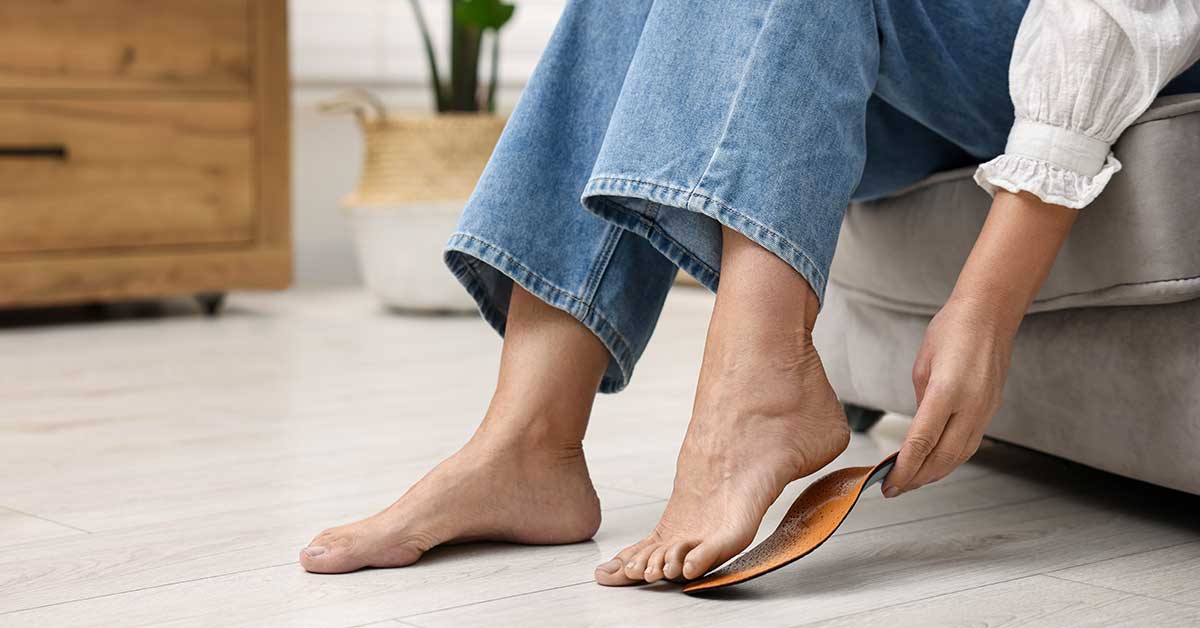
- Safe home supplies: trim toenails straight across, and wear well-fitting shoes, diabetic socks, and orthotics to reduce pressure and friction.
- Protect and seek care: avoid temperature extremes and barefoot walking, and get professional help for corns, calluses, sores, or any non-healing wound.
Check Your Feet Every Day
Daily foot checks are non-negotiable. If you have any degree of neuropathy — numbness, tingling, burning, or a “sock” feeling — you cannot rely on pain to warn you when something is wrong. People have walked around with a roofing nail embedded in the sole of a shoe, completely unaware, until the smell of infection gave it away. That’s exactly the kind of quiet damage neuropathy allows.
The rule is simple: inspect your feet once a day, no exceptions — and not a casual glance while half-asleep. Sit down in good light after your bath or before bed, remove socks and shoes, and look at the tops, soles, heels, and between every toe. You’re hunting for redness, swelling, cuts, cracks, blisters, calluses, color changes, fluid, or sores — even tiny ones.
If bending is hard, that doesn’t excuse you; it just means you need tools. A long-handled inspection mirror (inexpensive and often sold alongside other home supplies) lets you see your soles without a circus act, and a phone camera set to selfie mode and slid under the foot works too. Whatever the method, the goal is seeing every inch.
Insider Tip: Reframe it: this isn’t a “foot check,” it’s wound prevention. That shift gets people to slow down and actually look, not just glance.
People forget more over a week than they expect, so a simple “Seven-Day Foot Log” by the bed — a tiny daily checklist (skin intact, no redness, nails okay, shoes inspected) — makes the routine stick. If you spot anything unusual, especially redness, warmth, a new callus, or a blister, don’t let it ride. Mark the edges of the red area with a pen, take a dated photo, and call your provider or foot-care specialist if it isn’t clearly better by the next day. That vigilance is exactly how a small spot is stopped before it quietly becomes a full-thickness ulcer.
Wash Your Feet Every Day
Dirty feet aren’t just cosmetic when you have diabetes; they’re a breeding ground for fungal infections, bacterial overgrowth, and skin breakdown. That said, most people overdo it — too hot, too harsh, too much scrubbing — stripping away the natural oils that protect the skin.
The sweet spot is daily, gentle cleansing with lukewarm water and mild soap. “Lukewarm” means you can comfortably hold your wrist or elbow in the water — never trust your feet to judge temperature if you have neuropathy, since dulled sensation has caused serious burns in baths that “felt just right.” Use a gentle, fragrance-free, pH-balanced soap, and skip loofahs and rough washcloths; your hands are enough pressure. Focus on the spaces between the toes where moisture traps and yeast thrives, and rinse thoroughly, since soap residue can dry and irritate fragile skin.
Insider Tip: Build foot washing into something you already do daily, like brushing your teeth at night. Habit-stacking makes it automatic instead of a chore you have to remember.
A small foot-care station in the bathroom helps: a stable shower chair if balance is off, a handheld showerhead, and a non-slip mat. For older adults or those with dementia and their caregivers, this pairs naturally with broader home fall-prevention steps. And one detail that’s more important than it sounds: always test bath water with your hand or elbow, not your foot. If your sensation is compromised, one accidental burn can wipe out all your good hygiene.
Keep the Skin on Your Feet Soft and Smooth
Dry, cracked skin is one of the most underrated entry points for infection in people with diabetes. Every fissure, even a hairline one, is basically a front door for bacteria. The goal is supple — not greasy — skin, with extra attention to high-pressure areas like the heels and the balls of the feet.
Right after washing and thoroughly drying your feet, apply a moisturizer, ideally one labeled for diabetic skin or containing urea, lactic acid, or ceramides. Fragrance-free creams in tubes or pump bottles help avoid contamination. Don’t apply lotion between the toes; that area needs to stay dry to prevent fungal growth. It’s a strange boundary — moisturize generously, but skip the toe-web spaces. As for home remedies: petroleum jelly can help severely dry heels but is messy and slippery if overapplied, and coconut oil feels nice but doesn’t hydrate as deeply as a proper urea cream. When in doubt, choose a medically formulated moisturizer over a pantry experiment.
A “foot-care caddy” keeps the essentials together: diabetic-safe moisturizer, alcohol-free skin barrier wipes, sterile gauze pads and gentle tape, a mirror and nail tools, and a small notebook to track changes. Many of these can be bundled into the same medical-supply orders you already place for other items.
Insider Tip: Get a patient’s heels soft and intact, and you’ve already cut their future ulcer risk dramatically. Heels are where so many slow-motion disasters start.
The approach for deeply cracked, painful heels isn’t magical: daily washing, twice-daily urea cream, and strategic offloading with cushioned heel socks can turn “dry riverbed” heels around in a few months — and sidestep the ulcer that would otherwise ground someone for good.
Keep Your Toenails Trimmed
Nails sound trivial until you see what a jagged diabetic toenail can do. Ingrown edges, skin tears from scratching, or fungal nails digging into soft tissue can all start a cascade that ends in infection — and overzealous home trimming causes more avoidable wounds than most people would guess.
If you have good vision, steady hands, and no significant neuropathy, you can usually trim your own nails at home — but with rules. Use clean, dedicated nail clippers (not the ancient family set), cut straight across rather than curved, and leave a thin white edge instead of cutting too short. Then gently smooth the corners with an emery board so they’re not sharp.
Insider Tip: If you can’t see your toenails clearly without acrobatics, you shouldn’t be cutting them yourself. That’s the line.
People with balance issues, vision loss, or significant neuropathy often outsource nail care to a podiatrist every two to three months. It feels like a luxury until you compare it to the cost — in money and suffering — of treating an infected ingrown nail, and routine visits often catch early changes in color, shape, or surrounding skin that signal circulation or nerve problems before pain appears. Thickened, yellow, crumbly nails likely mean a fungal infection; it isn’t an emergency, but those nails can press into neighboring toes or deform the nail bed, so it’s worth discussing topical or oral antifungals with your provider rather than chasing “miracle” over-the-counter oils. And never use razors or “bathroom surgery” to dig out nails or cut away skin — those attempts routinely turn a minor annoyance into cellulitis requiring IV antibiotics.
Wear Shoes and Socks at All Times
Walking barefoot with diabetes is like skipping the seatbelt because it’s “just around the corner” — the distance doesn’t matter, the risk does. Every pebble, splinter, or rough tile can cut or bruise your feet without you feeling it, and damage you don’t feel is damage you don’t treat. People have stepped on a Lego, a sewing needle, even a pet’s chew toy and never felt the injury, discovering it only when the area swelled, reddened, or began to smell. So the stance is absolute: no barefoot walking — not indoors, not on the beach, not in the backyard.
Socks matter too. Choose clean, dry, well-fitting socks in moisture-wicking material (cotton blends or diabetic socks), avoid tight bands that leave deep marks and impair circulation, and prefer seamless socks to reduce rubbing, especially over calluses or bony spots. Change them daily, more often if they get damp.
Insider Tip: If your socks leave marks or your shoes “need breaking in,” they’re wrong for diabetic feet — full stop.
Shoes should be roomy in the toe box, supportive in the arch, and cushioned under the heel and forefoot. Slip your hand inside and feel for seams, bumps, or staples that could rub. Many people do better in specially fitted diabetic shoes or inserts, often categorized under durable medical equipment, which may be partially covered by insurance if you’re high-risk or already have deformities. And before every wear, get in the habit of checking inside — shake out pebbles, check for torn linings, and look for anything that doesn’t belong. Even careful people get blisters from a single stone lodged under an insole; a built-in shoe check is what catches it early.
Protect Your Feet from Hot and Cold
Loss of sensation means your feet can’t reliably report temperature — a problem with hot surfaces, cold weather, heating devices, or bath water. Plainly: no heating pads, hot water bottles, or electric blankets directly on diabetic feet. Far too many “I fell asleep with the heating pad on low” burns happen to people who never felt the heat building.
When bathing, test the water with your elbow or hand, not your foot, and avoid long soaks even in comfortably warm water, since prolonged soaking macerates the skin and makes it more vulnerable to breakdown. If you use a foot spa, keep the temperature controlled and limit sessions to 10–15 minutes. Cold is less dramatic but equally dangerous: poor circulation plus extreme cold can cause frostbite fast, so wear insulated, roomy boots and warm socks in winter (still avoiding tight bands), and never warm cold feet at a fireplace, space heater, or vent — use warm socks and blankets instead.
Insider Tip: If you need an external heat source to make your feet comfortable, ask why they feel so cold. That’s often a circulation red flag, not a comfort issue.
Contrast baths — alternating hot and cold water — don’t “train” circulation; with neuropathy, they’ve produced second-degree burns on one foot and frostnip on the other. Your vascular system isn’t a muscle to be bootcamped. One more nuance: sun exposure. If you’re outside in sandals (and only after your doctor clears you for them), your feet can sunburn like your shoulders — use sunscreen on exposed areas, but again, not between the toes where moisture needs to evaporate.
Get Help for Corns and Calluses
Corns and calluses aren’t just cosmetic in diabetes; they’re pressure alarms. Wherever skin thickens, something is rubbing or bearing too much weight — ignore that signal and you risk an ulcer right under the tough spot. One large study of diabetic foot ulcers found that a majority originated beneath callused areas that had been present and untreated for months.
Here’s the firm part: do not treat corns and calluses with over-the-counter medicated pads, corn plasters, or sharp tools. Most medicated pads use salicylic acid, which can over-dissolve skin and cause chemical burns, especially on diabetic skin — plenty of ulcers begin with a well-meaning corn pad. Your job at home is prevention and monitoring: moisturize regularly, wear well-fitted shoes with appropriate inserts, and check callused areas daily. If a callus thickens, changes color (especially yellowish or reddish underneath), or becomes tender — even if you don’t feel pain the usual way — schedule a podiatry appointment.
Insider Tip: It’s far better to gently pare a callus in clinic three times a year than to spend six months trying to close the ulcer that forms underneath it.
In clinic, sterile tools are used to carefully reduce calluses, and pressure is redistributed with custom orthotics or padding. Those orthotics, often classified under durable medical equipment, aren’t fashion accessories — they’re structural solutions to chronic pressure points, and after a first foot ulcer they’re close to mandatory. Home methods like sanding calluses with a coarse pumice stone tend to backfire; managing them medically and re-fitting shoes is what actually prevents the next lesion.
Get Help for Foot Problems
Here’s the uncomfortable truth: by the time many people seek help for a diabetic foot problem, they’re weeks or months late — they waited to see if it would go away, used old antibiotic cream, or asked a friend what worked. That delay is dangerous for feet that don’t heal well to begin with. Call your provider or foot specialist — don’t wait — if you notice any of these:
- A blister, sore, or cut that doesn’t start improving within 24 hours
- Redness, warmth, or swelling, especially if spreading
- Drainage, odor, or black/blue discoloration of the skin
- A sudden increase in pain (if you still feel pain) or sudden loss of sensation
- Any new deformity — bent toes, a collapsed arch, or a foot that suddenly looks different
Insider Tip: A good rule to give diabetic patients: if it’s below the knee and different today than yesterday, your provider wants to know about it.
Some people hesitate to “bother” their doctor or worry about cost, but untreated foot infections can spiral into hospitalizations, IV antibiotics, and surgery — far more expensive and disruptive than a timely visit, and many plans support preventive care precisely because it saves money long-term. The right home setup matters here too: sterile gauze, skin barriers, tape, mild antiseptic, and proper footwear keep small problems from escalating while you wait for an appointment, and can be folded into your regular medical-supply orders. And trust your instincts — a foot problem is sometimes caught only because a pet kept sniffing one foot, or something simply felt “off.” An early ulcer between two toes, treated aggressively, often heals without surgery; waiting for pain can mean waiting until it’s too late.
The Real Bottom Line on Diabetic Foot Care
Diabetic foot care isn’t a side quest in your diabetes management; it’s central to preserving your independence, mobility, and dignity. “If only I’d taken that little sore more seriously” is a phrase heard again and again from people facing an amputation that started with a blister or a cracked heel.
The core habits aren’t glamorous: check your feet daily, wash them gently, moisturize wisely, trim nails carefully, wear shoes and socks at all times, protect against temperature extremes, and get professional help for calluses and any early problem. They sound basic because they are — the power is in doing them relentlessly, with the right support and supplies. You don’t need twenty products or a spa-grade system; you need a consistent routine, a simple set of tools (mirror, moisturizer, safe nail-care items, proper footwear, basic dressings), and the willingness to act early instead of waiting. Pair that with ongoing support from your care team and strategic use of resources like insurance-covered equipment and specialty supplies, and you stack the odds heavily in your favor.
The people whose feet rarely cause worry aren’t the ones with perfect blood sugars or fancy gadgets — they’re the ones who’ve built these habits so deeply into the day that skipping a foot check feels as strange as skipping tooth brushing. You can be one of them. Start tonight: set up your foot-care kit, inspect every inch, and make a deal with yourself. Your feet have carried you this far; they’ve earned that attention, and your future self will be grateful you didn’t wait for a wake-up call.
FAQs
Who should manage diabetic foot care and skin protection? The person with diabetes should lead their care, with support from caregivers and healthcare professionals.
What essential supplies should be kept at home? A glucose meter, antiseptic wipes, diabetic socks, fragrance-free moisturizer, a foot-inspection mirror, and sterile bandages.
How do I perform daily foot inspections safely? Inspect both feet in good light every day, checking the soles and between the toes, and report any cuts, redness, or swelling to your clinician.
Who can help choose proper footwear and supplies? Podiatrists, diabetes educators, and certified orthotists can recommend shoes and supplies suited to your foot risk and needs.
How often should moisturizers and protective creams be used? Apply a fragrance-free moisturizer once or twice daily to dry areas, avoiding the spaces between the toes to reduce infection risk.
Is at-home diabetic foot care safe if I can’t visit a specialist? It can be, when you follow professional guidance, use proper supplies, and seek prompt medical attention for any wound or sign of infection.