
Bathroom safety for seniors isn’t optional; its the line between independence and the next emergency room visit. Every time I hear someone say, Moms pretty steady, she doesn’t need grab bars yet, I picture the fall that changes everything: a hip fracture, a brain bleed, a long rehab that never quite restores who they were. The hard truth is that the average bathroom is designed for aesthetics and resale value not for 80-year-old knees, neuropathy, or post-stroke balance issues.
If you’re serious about keeping a loved one at home and keeping them out of the hospital you redesign the bathroom first. You don’t wait for the first fall; you assume its coming and build the room so that when it happens, its a stumble, not a catastrophe. That’s why I’m unapologetically biased toward practical, hardware-based solutions: grab bars, shower chairs, roll-in or walk-in showers, raised toilet seats, and a dozen small products that together make a life-or-death difference.
Ive watched families spend thousands on home theater systems while insisting that a $200 shower chair is too much. Meanwhile, Medicare data shows that roughly 1 in 3 adults over 65 falls each year, and bathrooms are one of the most frequent locations for these incidents. According to CDC figures on older adult falls, falls are the leading cause of injury-related death among seniors in the U.S. You cant argue with those numbers but you can design around them.
This isn’t a soft, generic list of tips. This is a focused look at 10 bathroom safety products for seniors specific, practical tools that dramatically cut fall risk and preserve dignity. And yes, Ill be blunt about which ones actually work in the real world, and which ones look nice on Pinterest but are useless when someones ankle buckles on wet tile.
Bathroom Safety for Seniors
Learn quick, practical ways grab bars, shower chairs, and roll-in showers prevent falls and what to choose to reduce slip-and-fall risk. – Grab bars: install horizontal and vertical bars at about 3336 inches, anchored into studs or with strong toggle anchors so they safely support body weight and prevent falls. – Shower chairs and bath stools: use a sturdy, non-slip, weight-rated chair with armrests and pair it with a handheld showe rhead and non-slip mat so you can sit instead of standing. – Roll-in showers and walk-in tubs: choose low-threshold roll-in showers with textured floors, built-in benches and multiple grab bars (or a walk-in tub/toilet seat riser) and keep water temperature lowered and essentials within reach to minimize transfer and fall risk.
1. Install Grab Bars
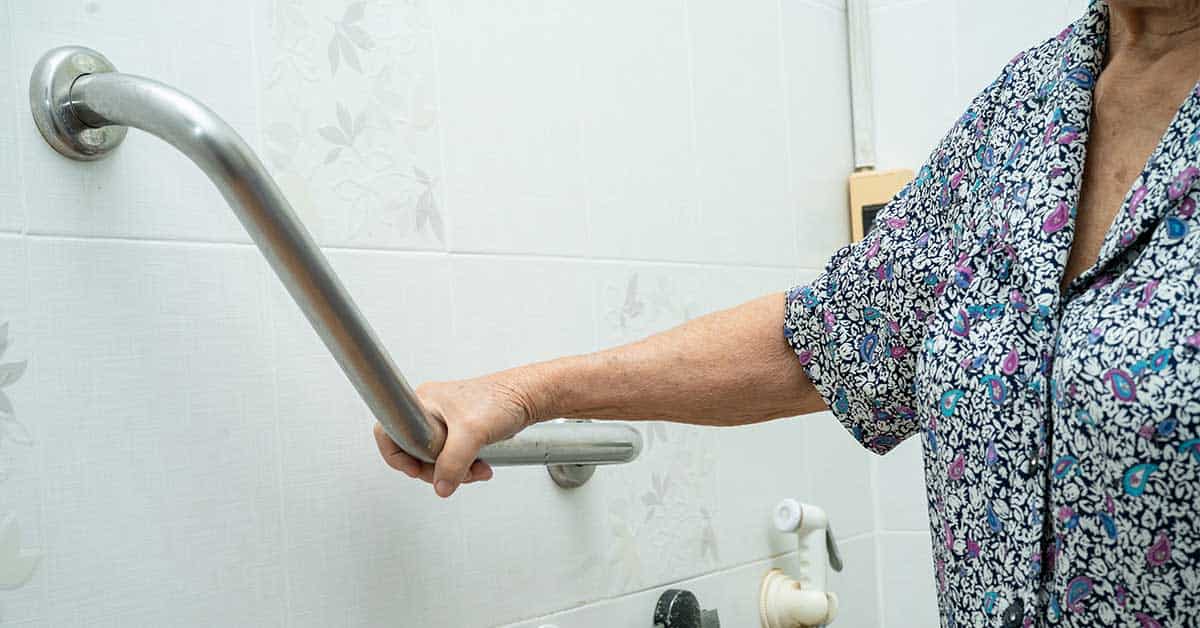
If you only do one thing to improve bathroom safety for seniors, install grab bars properly. Not the flimsy, suction-cup helpers that fall off the wall when someone leans on them. I’m talking about ADA-compliant, wall-anchored grab bars that are rated to hold at least 250300 pounds and are installed into studs or with proper anchors. Every therapist Ive ever worked with from home health PTs to hospital discharge planners says the same thing: If there are no grab bars, this bathroom is unsafe.
The data backs them up. Studies on home modifications for aging in place, such as those summarized by AARPs HomeFit studies, consistently show that fixed grab bars significantly reduce the risk and severity of bathroom falls. Grab bars matter even more for seniors with Parkinsons, post-stroke weakness, arthritis, or dizziness from medications. These are the people who don’t just lose balance they lose it suddenly, with almost no warning, and need something solid to reach for right now.
In my own family, my grandmother refused grab bars until a small slip in the tub left her clinging to the shower curtain rod which promptly tore out of the wall and left her on the floor. She wasn’t badly hurt, but she was shaken. After that, she reluctantly agreed to have bars installed near the toilet and in the tub. Within six months she admitted she used them every single time. Her pride said, I don’t need them. Her knees and hips said, Yes, you do.
Where and how to install grab bars:
- Shower/tub entry: One vertical bar at the entrance so there’s a firm handhold when stepping over or in.
- Inside the shower: One horizontal bar along the back wall at about hip height; another angled or vertical bar near the shower controls.
- By the toilet: A horizontal bar on the side wall next to the toilet, or a pair of fold-down bars if the toilet is in an alcove.
- Near the sink (optional): For seniors with severe balance issues, an unobtrusive bar near the vanity can be a quiet lifesaver.
Insider Tip (Home Mod Contractor):
If a grab bar doesn’t feel rock-solid when you yank on it with both hands, its not safe. I tell families: if you’re scared to put your whole weight on it, your parent will be too.
If you’re in Florida and considering broader bathroom modifications, its worth pairing grab bar installation with other upgrades like roll-in or low-threshold showers. Local specialists who handle Tampa bathroom modifications or Jacksonville bathroom modifications can assess wall structure, plumbing, and layout in one visit, so you’re not guessing where bars can actually be anchored.
2. Use Non-Slip Mats
Non-slip mats are the unsung heroes of bathroom safety for seniors. People underestimate how treacherous wet tile and acrylic tub surfaces become when combined with neuropathy, weaker leg muscles, and slower reaction times. Ive seen seniors who walk confidently with a cane on carpet or hardwood, and then skid like they’re on black ice as soon as they step into a tub. The problem isn’t just slipperiness its the illusion of safety. Everything looks solid, right up until it isn’t.
Here’s the problem: most families throw down a pretty bath rug from a big-box store and call it done. Those fluffy mats with no rubberized backing might as well be ice skates when they sit on top of tile. And cute suction-cup mats that only grip in a few spots often curl up at the edges or grow mold underneath, becoming tripping hazards and hygiene nightmares. When you’re dealing with seniors, especially those with aging-related incontinence or weak bladders, you’re adding moisture to the floor far more often which amplifies the slipperiness and sanitation issues.
The non-negotiable rule: every step area must either be inherently non-slip or made non-slip. That means:
- Inside the shower/tub: A high-quality, full-coverage anti-slip mat or permanently applied non-slip strips.
- Immediately outside the tub/shower: A low-profile mat with a non-skid backing and beveled edges.
- Near the sink: Another non-slip mat where water splashes frequently.
Pay attention to cleaning. Seniors with reduced vision may not see soap buildup or mildew, and caregivers often underestimate how fast a mat can go from grippy to glassy. Setting a monthly reminder to inspect and clean mats (or replace cheap ones entirely) is a small but powerful habit.
Insider Tip (Occupational Therapist):
Id rather see a plain, boring non-slip mat than the fanciest spa-style rug. When I do home safety assessments, bath mats are one of the top three hazards I recommend changing on day one.
If you’re already exploring broader bathroom safety modifications for seniors and disabled adults, ask about textured flooring or applied anti-slip coatings. Permanent non-slip floors plus removable mats is a strong combination, especially in homes where multiple family members use the same bathroom.
3. Consider a Shower Chair
A shower chair is the difference between a rushed, anxiety-filled wash and a safe, unhurried bathing routine. People dramatically underestimate how exhausting it is for a senior to stand in hot water on a slippery surface, twisting and turning to wash their legs, feet, and back. Add orthostatic hypotension (common with blood pressure meds), arthritis, or a history of stroke, and you have a setup where dizziness or leg weakness can strike mid-shower. That’s when seniors grab a towel rack something never designed to hold body weight and down they go.
I vividly remember one client who swore she didn’t need a shower chair because Ive been taking showers for 80 years. Her daughter and I finally convinced her to try one just for a few weeks. The following month, she admitted she hadn’t taken a single shower without sitting down. What changed? She realized that being seated allowed her to breathe more easily, wash more thoroughly, and conserve energy. Instead of stumbling out of the shower exhausted, she could actually dry off and dress herself without help.
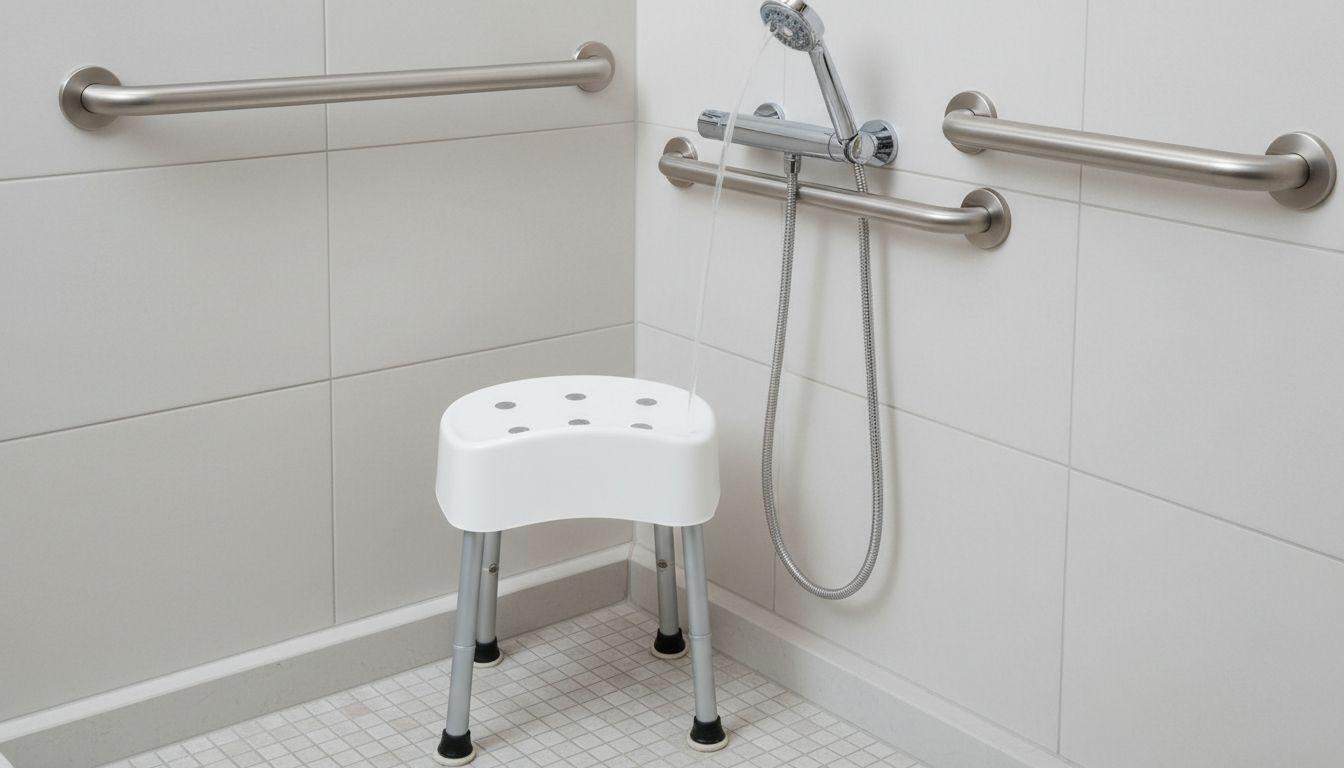
When choosing a shower chair, look at:
- Weight capacity: Always choose a chair rated significantly above the seniors weight.
- Adjustable height: So feet sit flat on the floor and knees are slightly below hips.
- Non-slip feet: Rubber tips or suction feet to keep the chair from sliding.
- Back and arms: For frailer seniors, a backrest and armrests are essential for safe transfers.
- Cut-outs: Some designs have front or center cut-outs that make personal hygiene easier.
There’s a huge safety synergy between shower chairs and grab bars. A well-positioned grab bar beside the chair transforms sitting and standing from a risky maneuver into a controlled action. For seniors using wheelchairs, a shower chair or bench also pairs extremely well with roll-in showers and properly installed wheelchair ramps and threshold ramps throughout the home, so the entire route from bed to bath is safe.
Insider Tip (Home Health Nurse):
When a patient falls in the shower, they’re almost always standing. I cant remember the last time a patient fell while seated on a stable shower chair with grab bars.
If you’re planning to help a loved one age in place, don’t treat shower chairs as a last-resort once they cant walk. Integrate them early. They preserve independence longer, by reducing the energy and balance demands of every shower.
4. Try a Handheld Shower head
A handheld shower head looks like a small upgrade, but in terms of bathroom safety for seniors, its a force multiplier. When someone can control where the water goes, they don’t need to twist, lean, or stand under a heavy stream that makes balance more difficult. This matters even more for seniors using shower chairs or bath stools being able to sit and move the water instead of moving their whole body reduces both fall risk and fatigue.
Ive watched seniors struggle under fixed shower heads while sitting: they crane their necks up, scoot the chair forward, reach for the controls with wet, shaky hands, and then lurch backward when the temperature suddenly changes. A $40$120 handheld unit with an easy-glide height bar and a long hose instantly changes the dynamic. Now the senior can keep their center of gravity stable, turn their body minimally, and still wash hair, back, and lower body thoroughly.
Look for:
- An easy-grip handle: Textured and slightly thicker handles are friendlier for arthritic hands.
- A long hose (at least 56 feet): So it can reach comfortably while seated.
- Simple controls: Large, clear settings rather than tiny, stiff dials.
- Slide bar mount: So the shower head can be adjusted to standing or seated height.
- Pause function (if possible): To momentarily reduce flow without changing temperature settings.
Insider Tip (Plumber/Installer):
If you’re replacing a shower head anyway, always go handheld for seniors. Its one of the simplest, highest-impact changes, and it doesn’t require a full remodel.
Combine a handheld shower head with temperature control (well get to that) and good lighting, and suddenly the bathroom becomes much more manageable for those with vision problems, limited mobility, or coordination challenges. Its a small product with outsized safety impact.
5. Lower the Water Temperature
Scalds don’t get nearly the attention they should in conversations about bathroom safety for seniors. We fixate on falls and yes, they’re the big villain but hot water burns are a quiet, serious threat. As skin thins with age and reaction time slows, seniors are less likely to feel heat immediately and move away quickly. Some also have neuropathy that dulls sensation, so they don’t realize the water is too hot until damage is already done.
According to burn prevention research from the American Burn Association, water at 140°F can cause a serious burn in as little as 5 seconds, while water at 120°F takes far longer to cause equivalent damage. That difference matters enormously when you’re older, slower, or confused by dementia. Ive seen seniors turn on what used to be their normal hot setting only to be startled and lose their balance, grabbing for anything nearby.
There are two layers of protection I recommend:
- Lower the water heater thermostat. For most households with seniors, 120°F (49°C) is a better default than the usual 130140°F. This single adjustment can dramatically reduce the risk of severe scalds throughout the home, not just in the bathroom.
- Install anti-scald devices. – Thermostatic mixing valves that keep the output temperature stable. – Pressure-balancing shower valves that prevent sudden surges of hot water if someone flushes a toilet. – Faucet and shower trims labeled clearly for hot/cold with easy-to-turn handles.
Insider Tip (Geriatrician):
For older adults with cognitive impairment, hot water settings need to be idiot-proof. Assume they’ll crank the handle all the way one direction or the other. The system should protect them from that mistake.
This is one of those changes that doesn’t feel like a safety product, but it absolutely is. Lower temp plus anti-scald hardware is as vital to bathroom safety as grab bars and non-slip mats, especially for seniors with memory issues or those prone to sudden dizziness who might panic if the water temperature spikes.
6. Use a Bath Stool
A bath stool is the nimble cousin of the shower chair smaller, lighter, and often easier to fit in cramped tubs or step-in showers. Its particularly helpful for seniors who are still relatively mobile but get fatigued easily or are just beginning to experience balance issues. They may resist a full shower chair (Thats for people who cant walk!), but a bath stool feels less like a medical device and more like a practical tool.
In my experience, bath stools shine in two situations:
- Compact bathrooms or tubs where a full chair simply doesn’t fit.
- Transitional stages where a senior needs occasional sitting breaks, not full-time seated bathing.
The key, however, is stability. Cheap, flimsy stools with narrow feet and no adjustability are dangerous. A proper bath stool should have wide, rubber-tipped legs, adjustable height, and a textured seat. Some models swivel to reduce twisting invaluable for seniors trying to swing legs into the tub or reach for shampoo bottles behind them.
Pair a bath stool with:
- A handheld shower head, so the senior doesn’t need to shuffle around under a fixed head.
- Grab bars, especially one near where they’ll sit and one near where they’ll stand up.
- Non-slip flooring or mats, since the stool itself can shift if the surface is too smooth.
Insider Tip (Physical Therapist):
For some patients, a bath stool is the starter tool that lets us transition them away from completely independent standing showers to safer, seated ones before a fall forces the issue.
For seniors planning to remain in their own homes long-term, integrating small aids like bath stools early is a core part of smart aging in place strategy. You don’t wait until your loved one is falling you shape their environment so falling becomes far less likely.
7. Consider a Walk-In Tub
Walk-in tubs are controversial in the aging and disability world, and Ill be honest: they’re not right for everyone. But for the right senior, they can be transformative. A well-designed walk-in tub replaces that dangerous step over a high tub wall maneuver with a low threshold door and built-in seating, dramatically reducing the risk of falls during entry and exit.
The seniors who tend to benefit most are those who:
- Have chronic joint pain or arthritis and find soaking deeply helpful.
- Can sit and stand with minimal help but struggle with high steps.
- Value the emotional comfort and routine of a real bath.
- Are living in homes where a full roll-in shower remodel isn’t feasible.
The downsides are real: filling and draining times (you sit in the tub while it fills and empties), potential plumbing or water heater upgrades, and cost. Ive had families install expensive walk-in tubs for parents who then refuse to use them because they don’t like waiting. That’s why a brutally honest assessment with a contractor who understands senior mobility, not just bathroom aesthetics, is essential.
Insider Tip (Home Mod Specialist):
I always ask families: would a low-threshold or roll-in shower do the job better? If the main issue is stepping over the tub wall, often a shower conversion is safer, cheaper, and easier to use in a wheelchair later.
If you’re in regions like Tampa or Jacksonville and thinking about a major conversion, consult professionals who specialize in bathroom safety for seniors not just general remodelers. Integrating grab bars, non-slip flooring, handheld shower heads, and temperature controls at the same time usually adds more safety value than a walk-in tub installed in isolation.
8. Install a Toilet Seat Elevator
Toilets are deceptive. They look benign, but for seniors with weak legs, stiff hips, or balance problems, sitting down and standing up from a low toilet is one of the highest-risk daily movements. Ive had more than one client fall sideways off a toilet because their knees gave out halfway down, or they plopped too fast and lost balance. Thats where toilet seat elevators (also called raised toilet seats or toilet seat risers) come in.
By increasing the seat height often by 24 inches you shorten the distance the body has to travel. That translates into significantly less strain on knees and hips, and far better control. For some seniors, this simple product determines whether they can continue to use the toilet independently or need hands-on assistance from a caregiver. And once you’ve helped multiple adults with toilets, you realize just how critical privacy and dignity are to their sense of self.
You have several options:
- Clip-on or clamp-on raised seats: Easiest to install, but make sure they lock firmly.
- Tall comfort-height toilets: A more permanent solution, often 1719 inches high.
- Raised seats with arms: Built-in handles on either side for push-off support.
- Toilet safety frames: Separate frames that provide sturdy armrests around a standard toilet.
Combine these with grab bars near the toilet and adequate lighting especially night lights along the route for seniors with aging-related incontinence who are up multiple times per night. Nighttime trips to the bathroom are a peak time for falls, and higher seats plus visible supports can drastically cut risk.
Insider Tip (Caregiver):
My dad went from needing me to boost him off the toilet every time to doing it himself just by adding a raised seat with arms. It gave us both a lot of our dignity back.
Raised toilet seats are one of the most cost-effective bathroom safety investments you can make. They’re often overlooked because they’re not glamorous but in the real world, they’re workhorses.
9. Use a Long-Handled Sponge
A long-handled sponge sounds almost trivial compared to grab bars and walk-in tubs, but it plays a very specific and important role in bathroom safety for seniors. Any time a senior has to bend at the waist, twist, or balance on one leg to reach their feet, back, or lower legs, the risk of a fall shoots up. That’s exactly what happens when someone with arthritis or balance issues tries to reach their ankles or scrub their back in the shower.
A long-handled sponge eliminates much of that risky movement. Instead of leaning dangerously or relying on one hand against a slippery wall, the senior can sit securely on a shower chair or bath stool, hold onto a grab bar with one hand, and reach hard-to-access areas with the other using the extended handle. Its a small adaptation that enables them to bathe more thoroughly without compromising balance.
This is particularly valuable for:
- Seniors with hip or knee replacements.
- Adults with spinal arthritis or limited shoulder range of motion.
- People with obesity who struggle to reach certain areas of their body safely.
- Anyone with a history of falls or near-falls while leaning over in the shower.
Insider Tip (OT Assistant):
If a patient tells me they almost fell trying to wash their feet, I don’t just say be careful. I put a long-handled sponge in their hand and make it part of their permanent bathing routine.
Pair long-handled sponges with other reach-extending tools like dressing sticks and sock aids outside the bathroom, and you can radically reduce how often a senior has to perform high-risk bending or twisting across the day. Its not glamorous, but its the nuts-and-bolts reality of safe daily living.
10. Keep Bathroom Essentials Within Reach
The most sophisticated bathroom modifications in the world cant fix one core problem: if seniors have to reach, twist, or stretch for basics, they’re at risk. Ive seen beautifully remodeled, fully accessible showers where shampoo still sits on a high corner shelf, or extra toilet paper is stacked behind the toilet, requiring a twisting reach that would challenge even a healthy 30-year-old. Its a design failure, not a senior failure.
Bathroom safety for seniors demands ruthless simplicity of movement. Everything they routinely need should be reachable:
- While sitting on a shower chair or bath stool.
- With one hand holding a grab bar.
- Without bending deeply at the waist or standing on tiptoes.
This might mean adding:
- Lower shelves or caddies at seated height in the shower.
- Wall-mounted dispensers for shampoo, conditioner, and soap near arms reach.
- Small baskets or organizers near the toilet for wipes, incontinence supplies, and extra paper.
- Hooks and towel bars positioned so they’re reachable without stretching across the room.
If incontinence is part of the picture, organizing and storing related items safely is crucial. Easy-to-access incontinence supplies in the bathroom can prevent rushed, risky trips between rooms while wet or leaking a common scenario for slips. Combine smart storage with clear pathways (no clutter, no rugs turned sideways, no laundry baskets blocking the way).
Insider Tip (Aging-in-Place Consultant):
I ask families to watch their loved one go through the entire bathroom routine once, from entry to exit, and take notes every time they have to reach, twist, or step around something. Every one of those moments is a modification opportunity.
Good layout and organization are as much a part of aging in place as hardware and construction. You can read more about the broader home context in this aging-in-place overview, but remember: the bathroom is where poor organization turns into broken bones faster than any other room.
Conclusion: Stop Waiting for the First Fall
Most families come to bathroom safety backwards. They wait for the first incident a slip, a bruise, a close call then scramble for solutions. That’s like waiting for the car accident to buy seat belts. By the time a senior falls in the bathroom, you’re not just dealing with products anymore; you’re dealing with fear, lost confidence, and sometimes permanent loss of mobility.
Bathroom safety for seniors grab bars, shower chairs, roll-in or walk-in bathing options, raised toilet seats, non-slip mats, handheld shower heads, and all the other tools we’ve discussed isn’t about turning your home into a hospital. Its about buying more good years of independence and preserving dignity in the most private room of the house. These ten products dont just reduce fall risk; they make daily life calmer, easier, and less exhausting for both seniors and caregivers.
If you’re serious about keeping a parent or yourself at home safely, start with the bathroom and start now. Evaluate each of these ten areas, and don’t be afraid to bring in professionals who truly understand home safety from bathroom safety specialists to local experts in Tampa bathroom modifications and Jacksonville bathroom modifications.
You don’t have to redesign your life overnight. But you do have to stop pretending that a standard builder-grade bathroom is good enough for a 78-year-old on blood thinners with arthritis. It isn’t. Thoughtful, well-chosen safety products are what stand between one wrong step and many more years of safe, independent living.